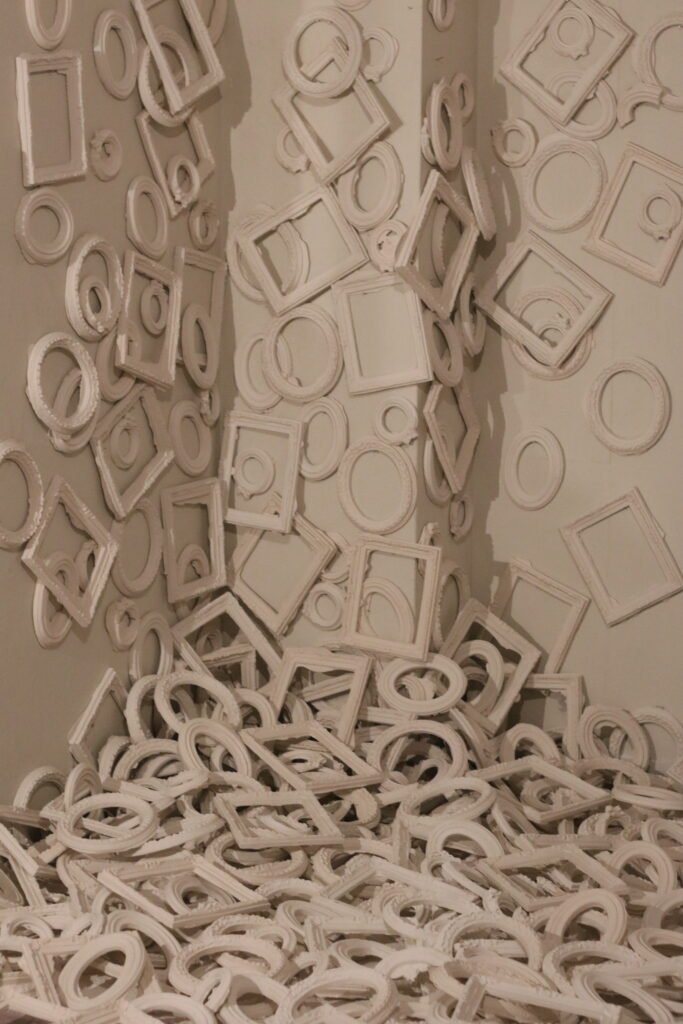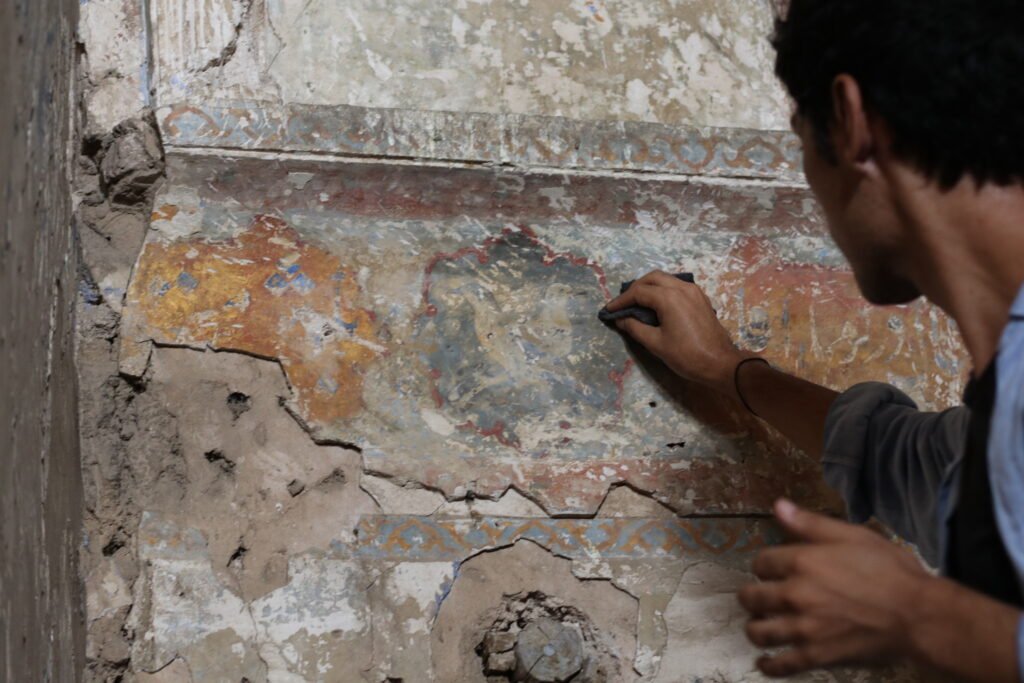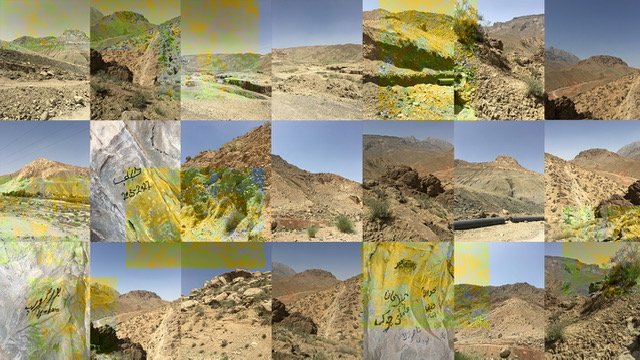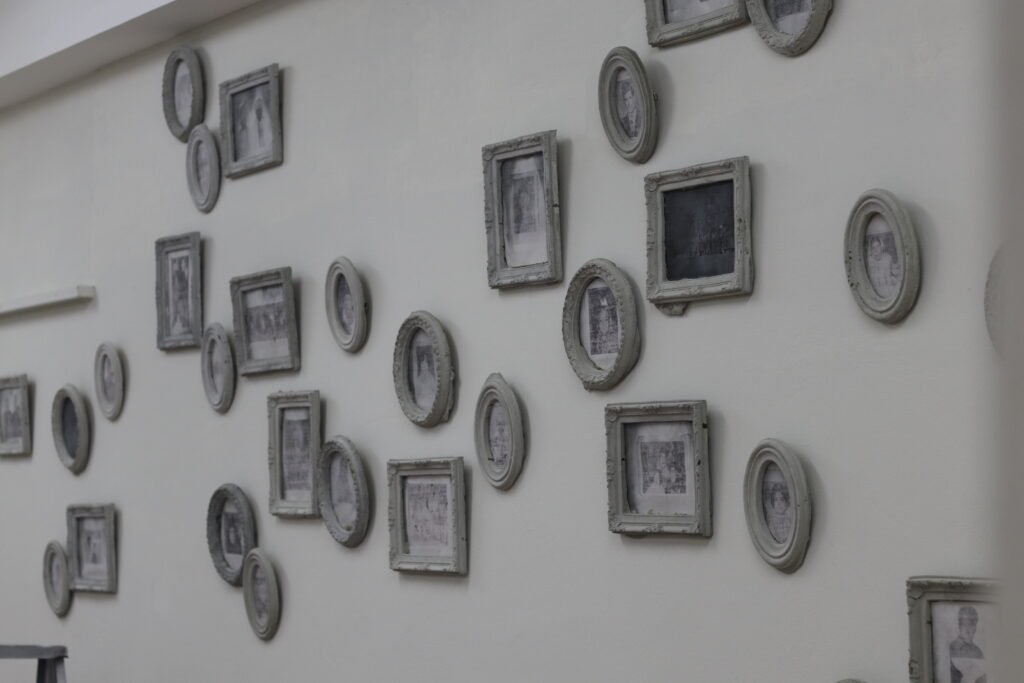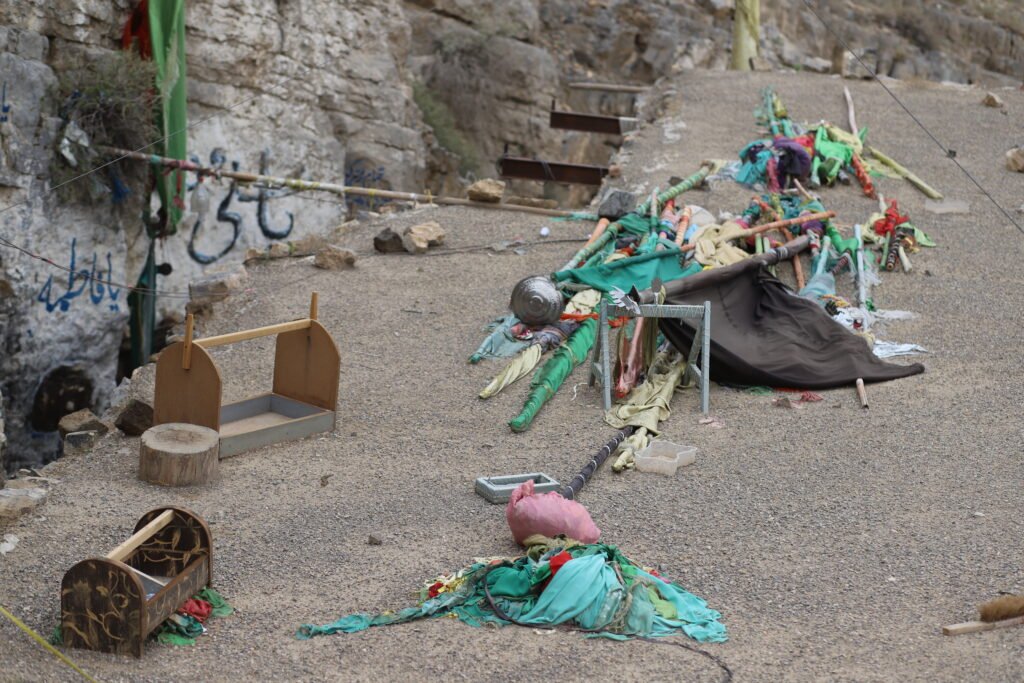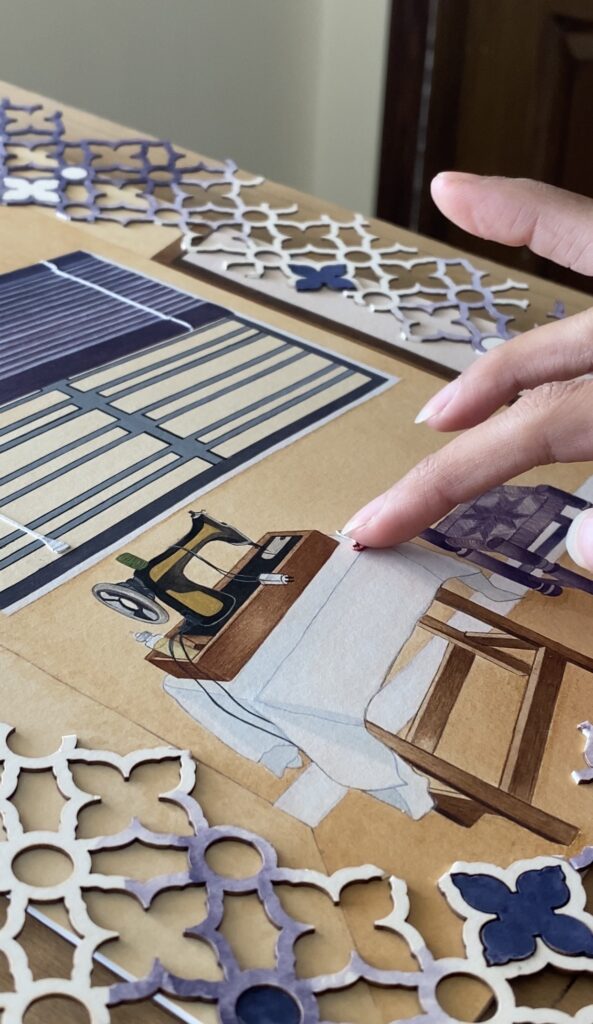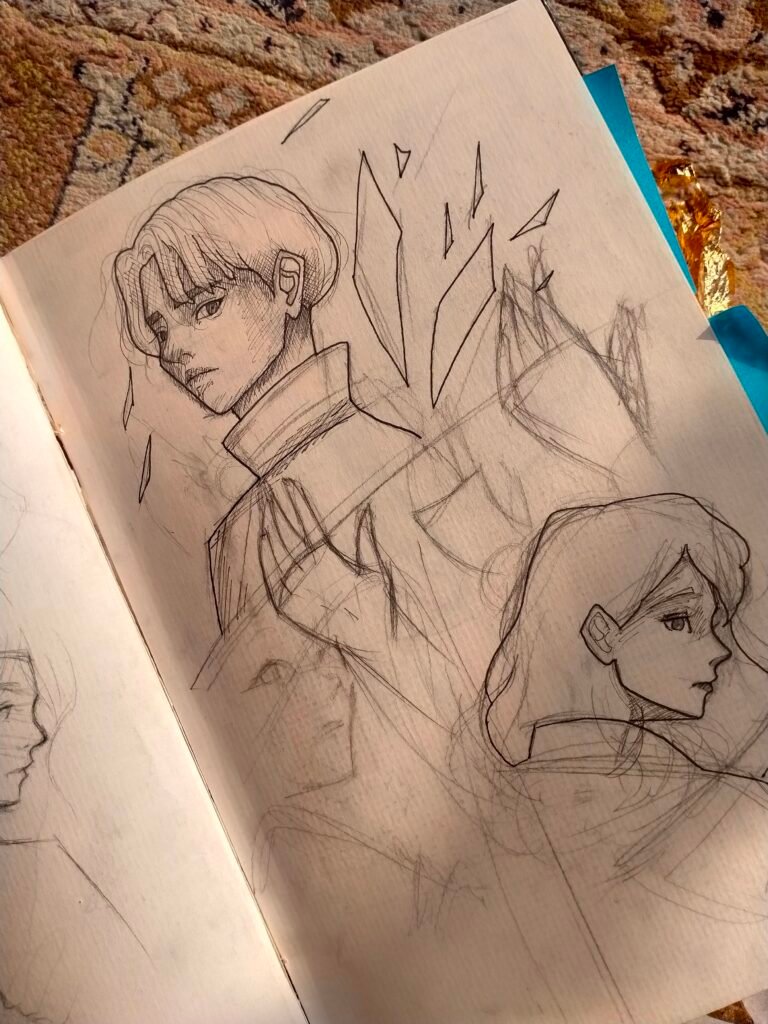
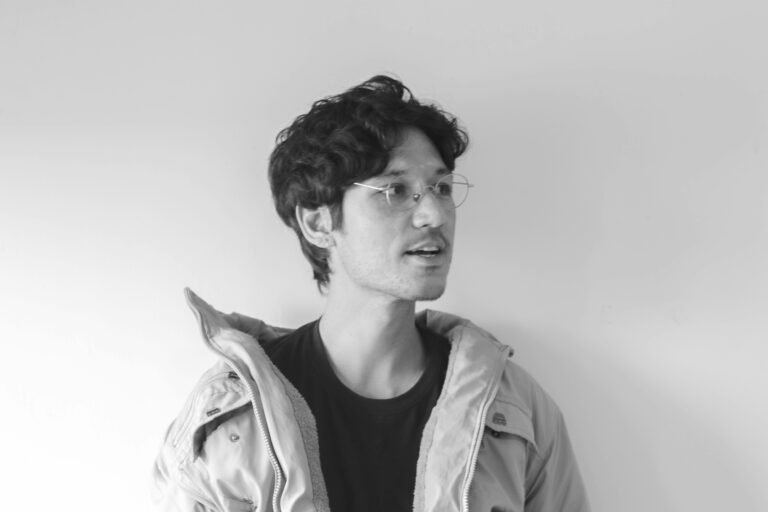
Born in Quetta and currently based in Lahore, Pakistan, Athar is a multidisciplinary visual artist working across drawing, archival material, and photographic imagery. His practice explores identity, displacement, memory, cultural erasure, and belonging. As a member of a minority community displaced across generations, his work reflects on loss of language, misrecognition, fractured identity, and inherited histories. Through layering personal, archival, and photographic imagery, Athar creates visual narratives that connect intimate experiences with collective memory, exploring how identity is shaped, lost, remembered, and reconstructed over time.
Notes on preservation, reality, and the unseen
My practice, from the beginning, has been a way of investigating the subconscious and trying to understand what exists beneath what we consciously see and understand. That has always been more important to me than making work for recognition.
As a member of a minority community displaced across generations, your work carries loss of language, misrecognition, and inherited histories. Do you feel like you’re preserving something through your work, or more like you’re excavating something that was already fading?
I think it is a bit of both. I’m not necessarily trying to preserve a complete history because, in many ways, that history is already fragmented. A lot of what I have comes to me through pieces, memories, and things that were never fully spoken about. My practice is also about telling unseen stories, things that may not be visible to the normal eye but still exist through memory, absence, and things passed down to us. At the same time, I feel like I’m trying to access something I was never fully a part of, to understand what was lost or kept away from me. So in a way, I’m preserving what remains while also excavating something that has been fading for generations.
Starting again means letting go of something that already worked, that people already recognize you for. I once read that the best thing an artist can do is stay undiscovered, just to avoid that. You’re still figuring things out, and a lot of artists at this stage are on this seesaw between wanting to be seen and being afraid of what being seen locks you into. Where do you find yourself on that right now?
I think this is something I have always been very honest with myself about. My practice, from the beginning, has been a way of investigating the subconscious and trying to understand what exists beneath what we consciously see and understand. That has always been more important to me than making work for recognition.
I do want to be seen, of course, but I don’t want recognition to become a boundary around my work or define what I’m expected to make next. I want to make art for the sake of art, and also for the sake of understanding myself. I want to remain free to follow whatever comes next, even if it takes me somewhere completely different from where I am now. I think that freedom has always been something I’ve wanted for my practice.
We’re living in a time where faces circulate constantly online, shaped by algorithms most of us don’t even see. Has that changed how you think about the face at all; has it entered the work, or does it feel like a separate conversation from what you’re exploring?
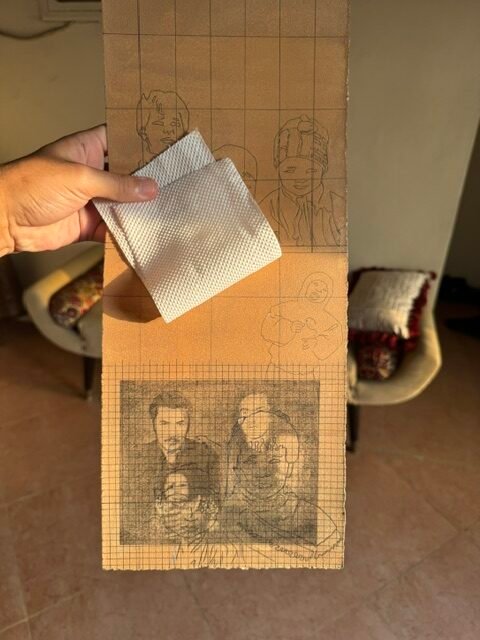
The current circulation of faces online is interesting to me, but it hasn’t really changed where my relationship with the face comes from. For me, it is much more personal. The faces I use are not random; they come from my own personal albums, and they are people I have a deeper connection with. So the face already carries a relationship, a memory, and a history before it enters the work.
That relationship is important because I don’t think a random face would make sense in what I’m trying to explore. I’m interested in what happens when a face that already means something to me is taken out of its original context and placed into the work. It brings questions of identity, recognition, memory, and how we understand someone through their face, but also how much of that person can actually be understood through it.
Is there ever an expectation, spoken or not, that your work should look a certain way because of where you’re from or what community you belong to? Has that ever shaped a decision you made in the studio, even in a small way?
Yes, a huge yes. This has been a struggle with my practice from the very beginning. Even at university, I was made to feel that the kind of work I was making wasn’t good enough, especially when it came to being taken seriously, selling work, or becoming part of the gallery system. Honestly, being part of galleries was never something I cared about that much, but I still felt the pressure around it.
After graduation, I also had a hard time getting exhibitions because of the way my practice was perceived and the kind of work I was making. Even now, I still get different reactions from place to place because of my work and where it comes from.
I think all of this has shaped some decisions in my studio, mainly in the sense that I’ve become more conscious of not changing the work just to fit what people expect from me. There have been small changes in my practice over time, but I see those changes as progress. I want that progress to come from me, from understanding my work better and allowing it to grow, rather than changing it to fit other people’s expectations.
What have the realities of building a career actually looked like for you so far? Were there doors that felt harder to open than they should have been?
To be really honest, it hasn’t been easy, and it still isn’t. The kind of practice I have is not something galleries and institutions easily welcome, and it has often been difficult to knock on those doors and find opportunities for my work.
Rejection has been a big part of the journey. And honestly, having to pick yourself up after being rejected, rebuild yourself, and start again is not easy. I’ve had to do that over and over again just to get somewhere. A lot of effort has gone into simply continuing despite the rejection.
Even now, sometimes it still feels the same. But I think being able to keep going, keep making, and keep finding my way back to work has been a big part of what building a career has actually been like for me.
In your opinion, how can the art world be made more favourable to artists who face disadvantages; politically, financially, or otherwise?
I think there needs to be more accessibility within the art world, especially for artists who come from places or communities where the infrastructure and opportunities are already limited. A lot of the time, the problem is not the lack of talent or ideas, but simply not having access to the spaces where those ideas can be seen.
I can say this from my own experience. Rejection has been a very big part of my journey as an artist. From university onwards, there have been many moments where I felt that my work was not being understood or was simply not considered the kind of work that galleries or institutions wanted to support.
Financially, things like application fees, shipping costs, production costs, travel, and exhibition fees can make that even harder. When you are already trying to establish yourself, these things can stop you from even taking part in opportunities.
I think institutions, galleries, and residency programmes could do more to remove these barriers and be more open towards different kinds of practices and backgrounds. Artists shouldn’t have to change their work or make it fit a certain expectation of where they come from just to be taken seriously.
So for me, making the art world more favourable would mean making these opportunities more accessible and making sure artists actually have the resources and freedom to take part.
Can you think of a time when someone read your work in a way you never expected, and it taught you something about the piece, or yourself?
I actually do this quite often while working on something. I show pieces to friends, family, and sometimes people who are completely outside of my practice and ask them what they see. I like having that back and forth while I’m working, not because I want them to tell me what the work should mean, but because I want to make sure I’m not pushing the visual language too much in one direction. I want the work to eventually speak for itself.
It’s actually quite rare for someone to read a finished piece in a completely different way from what I intended. But when it has happened, it has made me stop and look at the work differently. Sometimes I realise that something I thought was visually clear can carry another meaning for someone else. I don’t see that as a problem or something I need to correct. If anything, it makes me more conscious of my choices in the next work and reminds me that once a piece leaves the studio, I can’t completely control how it is seen. I think that is also part of allowing the work to speak for itself.
If your practice had its own face, one nobody else got to define, what would it look like?
If my practice had its own face, I think it would be a face that is difficult to read at first. Not because it is hiding something, but because I think there would always be something underneath it that you would have to spend time with to understand.
It would probably carry traces of memory, uncertainty, and things that have been inherited but never fully explained. I imagine it as a face that is constantly changing, sometimes familiar, sometimes strange, and sometimes somewhere in between. It wouldn’t belong completely to one place or one identity.
Most importantly, I think it would be a face that I haven’t completely discovered yet. That is probably what I like most about my practice. I don’t want to already know what it is going to become. I want to keep looking at it, questioning it, and allowing it to change without having to fit someone else’s idea of what it should look like.