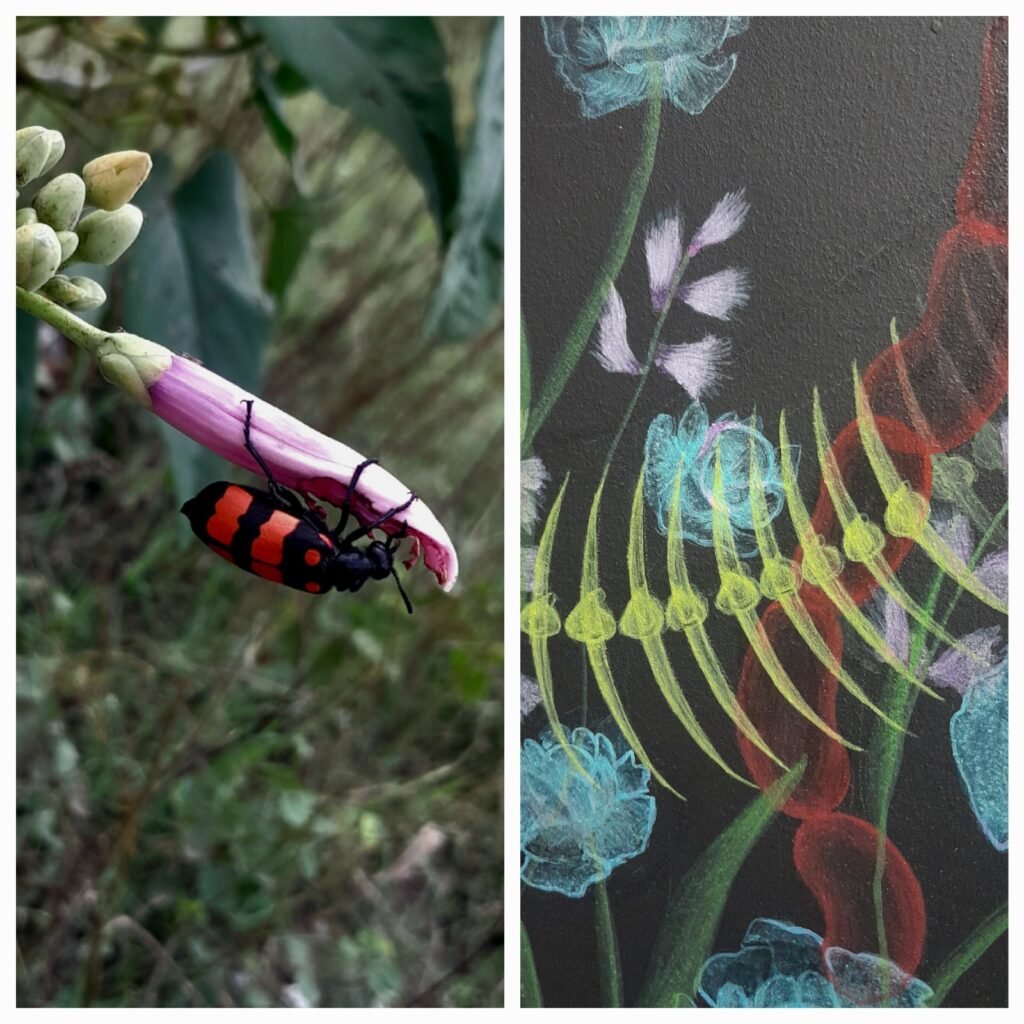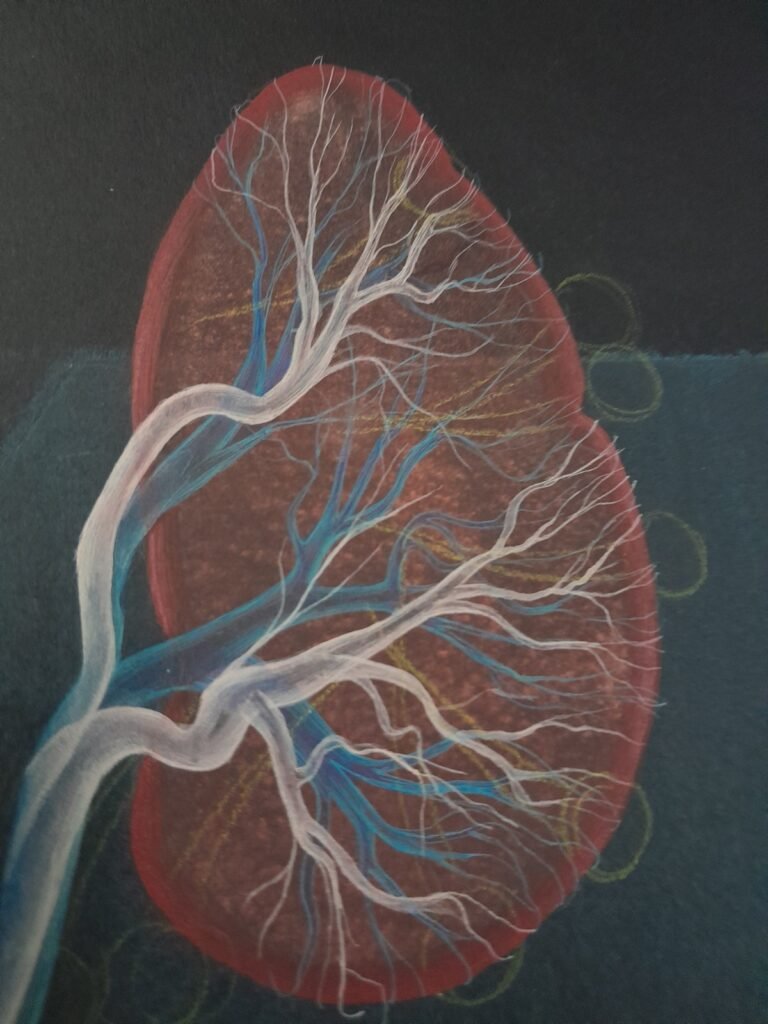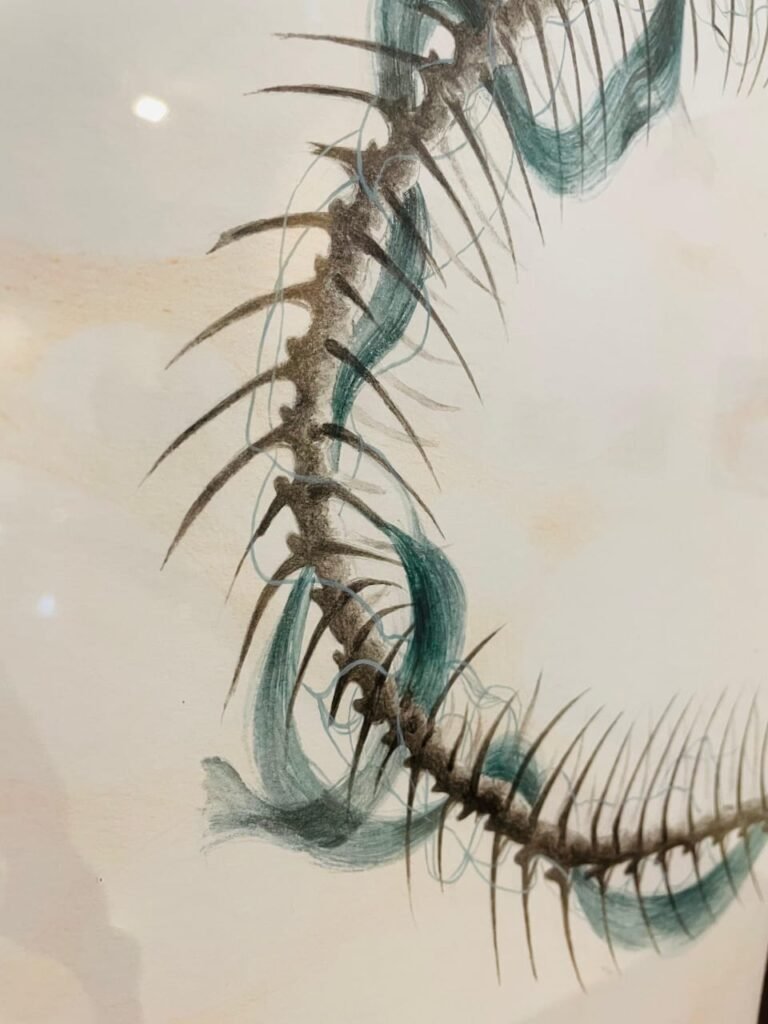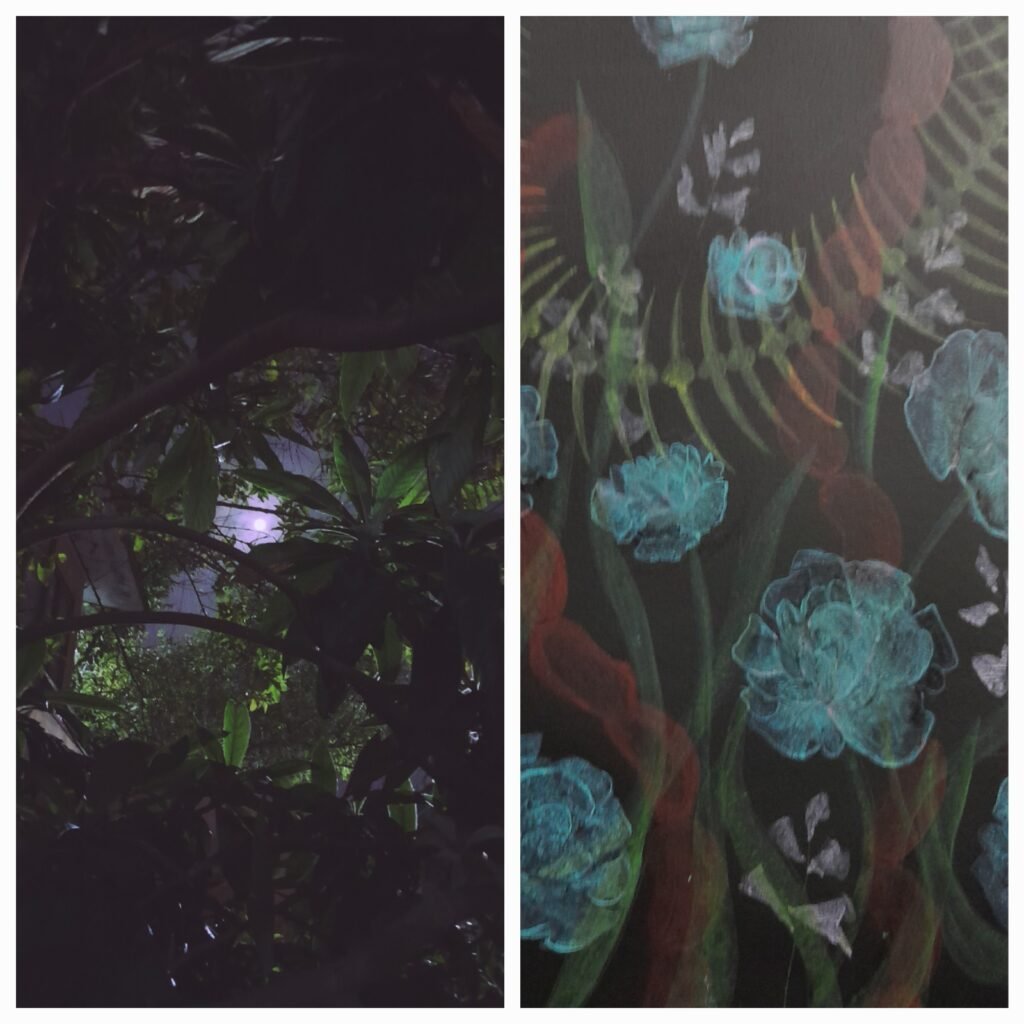
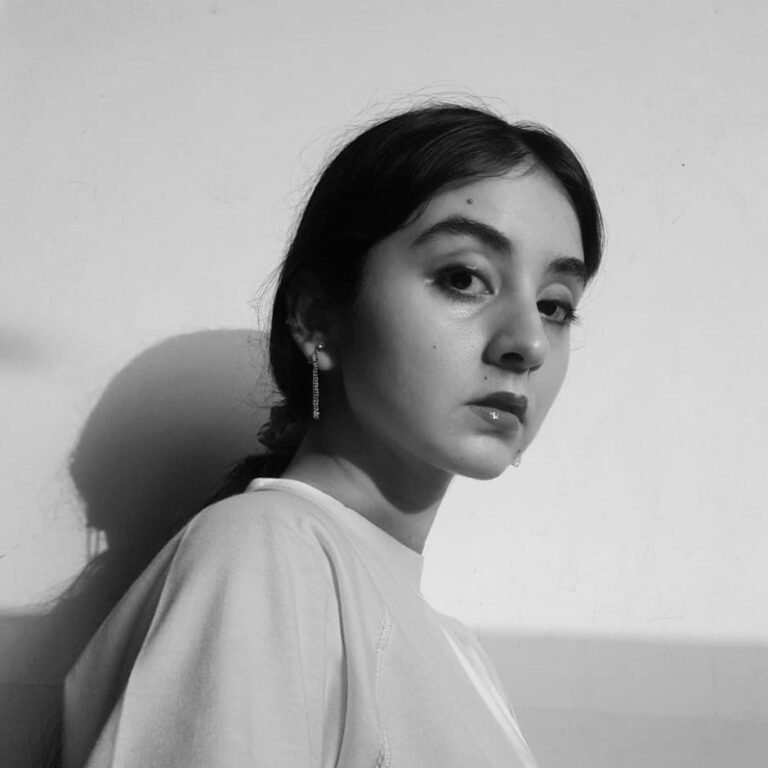
Aina Merzia is a contemporary artist based in Rawalpindi, and a graduate of Rawalpindi Women University, where she completed her BFA in in Miniature Painting. Her practice reflects a state in which a lifelong illness eases its grip, periodically improving or stopping its march toward destruction. This is a reality the artist knows, though her work does not dwell on personal suffering. Instead, it becomes a universal symbol of hope, created for anyone who searches for light in moments of crisis. Alongside her practice, Aina serves as a lecturer at the University of Rawalpindi.
notes on hope, illness, and beauty
The hope that exists within these paintings is the same hope I was searching for when I created them. If my work can offer someone even a small sense of comfort, strength, or possibility during a challenging time, then it has fulfilled its purpose.
Has teaching changed the way you look at your own work or process?
Yes, it has changed how I view my work. I believe teaching requires a less subjective approach to art because you engage with people who have different perspectives and ways of responding to creative ideas. This can influence how connected you are to your own subjectivity as an artist. While you can still create and paint the ideas that come to you, you cannot produce those ideas when your thinking is less subjective.
Your work speaks about remission as moments of relief and stability within ongoing hardship. How does that idea shape the way you make work day to day?
My ideas often emerge during what I would describe as my lowest moments, whether that is during a flare-up or my illness relapsing. Pain and hardship tend to generate my most original ideas because they come from a place that feels honest and authentic. However, I usually develop and produce the artwork later when I have the capacity to reflect on those experiences and translate them into a finished piece.
If someone could understand you only through the forms and objects that repeatedly appear in your work, what would it reveal about you?
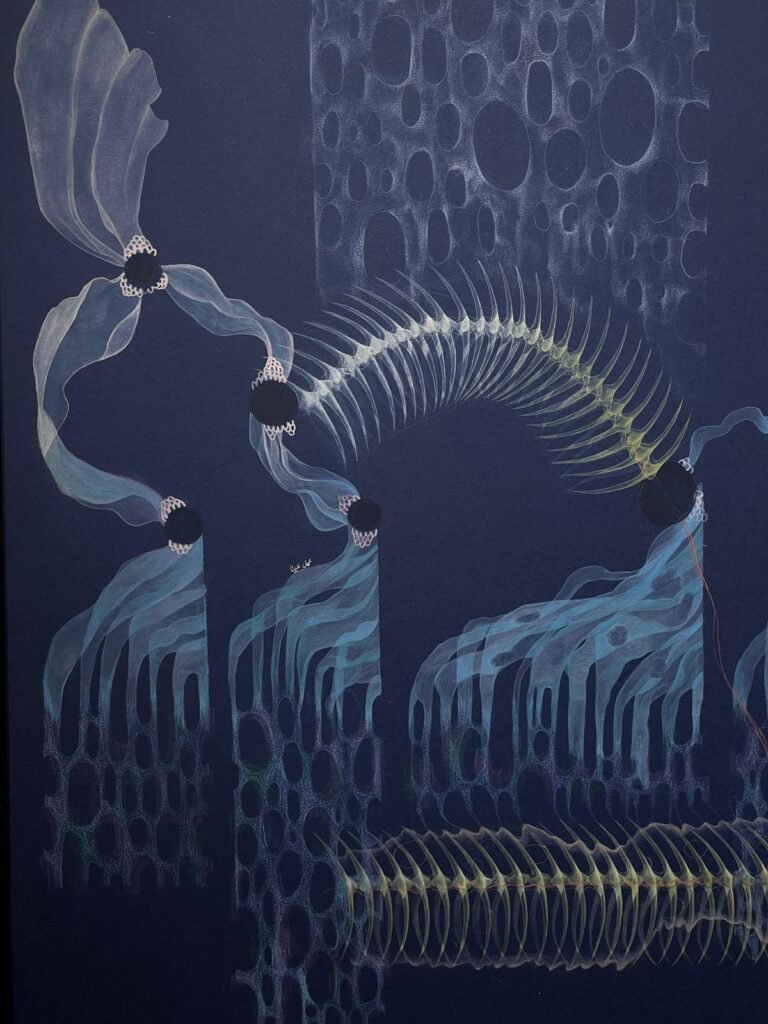
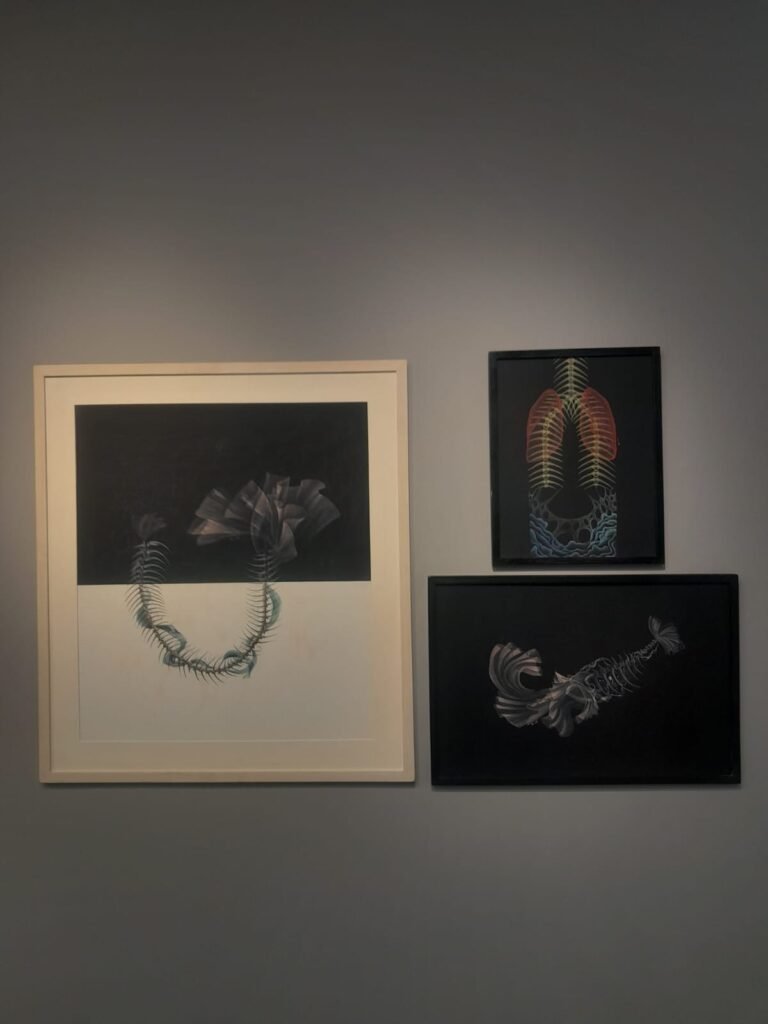
I have often been told that my work is intricate, layered, and intriguing. The recurring forms and objects within it, be it from delicate fish spines to carnation flowers, reflect themes of resilience, femininity, and endurance. These symbols are deeply personal and reveal aspects of my own experiences. The layers of transparency that appear throughout my work can also be understood as a reflection of my personality: someone who is naturally reserved, yet ultimately an open book. While there are layers to uncover, there is honesty and vulnerability beneath them. If someone were to understand me solely through my work, they would see a person shaped by perseverance, someone who continues to navigate challenges while finding strength and beauty within them. In many ways, my life has been defined by resilience and the ability to defy the odds.
Do you think art functions as a kind of self-portrait, even indirectly?
Yes, absolutely. I have always thought of an artist’s work as being similar to a lover. A lover reflects parts of ourselves; both the things we are aware of and the things we may not yet recognize. In the same way, artwork carries traces of the artist’s inner world, often revealing thoughts, emotions, and truths that exist beneath conscious awareness. It can know things about us before we fully understand them ourselves.
Because of this, I often look at an artist’s work when I want to understand them better. Even when it is not intended as a direct self-portrait, art inevitably contains pieces of the person who made it.
You spoke about moving toward new mediums and surfaces. What did traditional miniature practice no longer allow you to express?
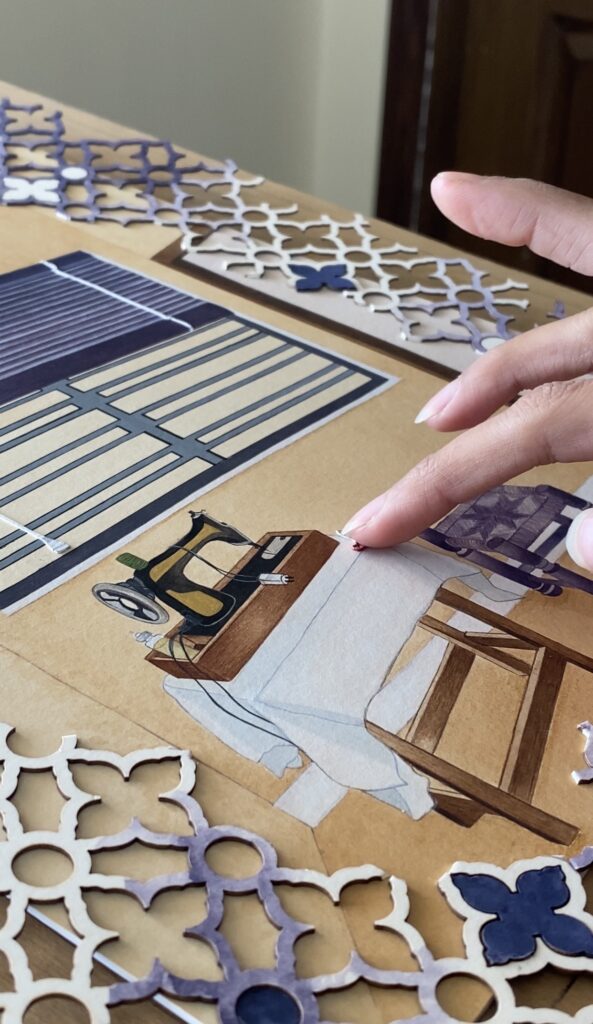
Traditional miniature painting is a beautiful and demanding practice that requires immense patience, precision, and time. However, as my life has become increasingly fast-paced through working in a corporate environment, I found it more difficult to sustain the lengthy process that miniature painting demands. Moving toward acrylic painting and reducing the level of detail was, in many ways, a practical reality.
That said, I have great respect and love for traditional techniques, and if given the opportunity, I would gladly return to them in the future.
What role does literature play in your work?
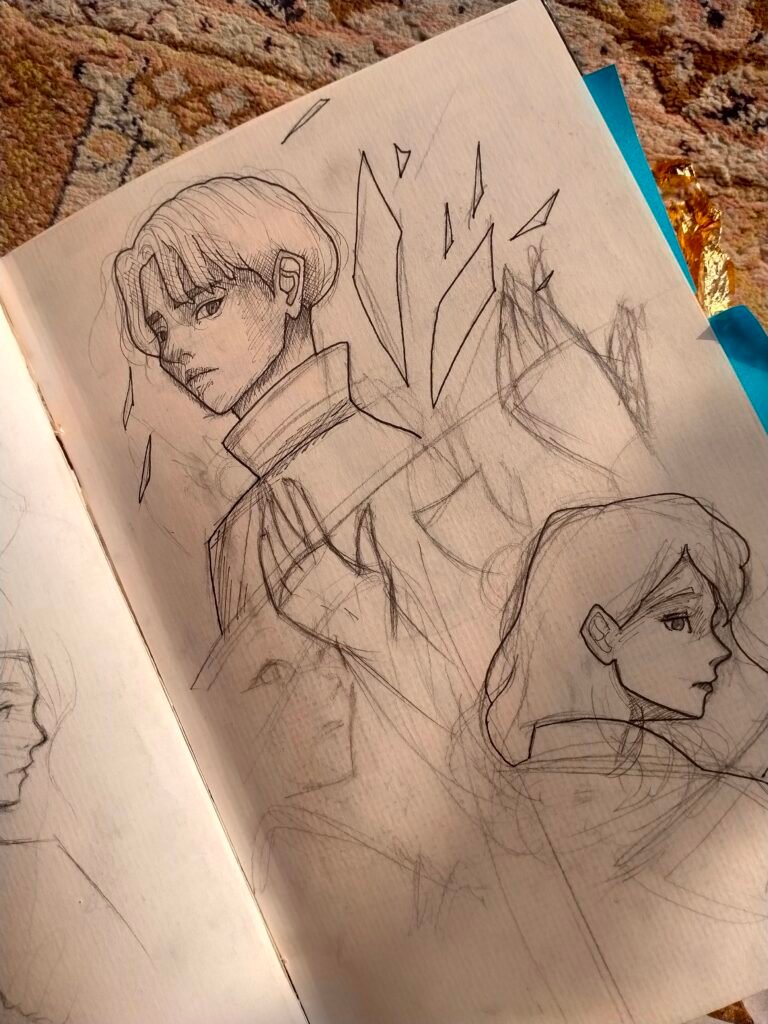
Literature does not play a direct role in my work, as I would not consider myself a devoted reader of literature. However, journaling is an important part of my personal practice, and I often find that the verbal ideas I record begin to seep into my artwork subconsciously. The stories may not appear in a literal way, but they influence the visual language of the work.
I also believe that once an artist truly finds their artistic voice, it becomes inseparable from who they are. At that point, every form of expression, whether writing, speaking, or creating, it begins to carry traces of the artwork itself. In that sense, my journals become another space where the ideas that shape my work first begin to take form.
When someone stands in front of your work, what kind of emotional space do you hope they enter?
Although my paintings are rooted in my experience of illness, resilience, and finding hope within a landscape of destruction, they are not solely about my story. They are also for anyone navigating their own landscape of hardship, loss, or uncertainty. I hope that when someone stands in front of my work, they enter a space where resilience feels possible and hope can be rediscovered, even in difficult circumstances.
The hope that exists within these paintings is the same hope I was searching for when I created them. If my work can offer someone even a small sense of comfort, strength, or possibility during a challenging time, then it has fulfilled its purpose.
How has living with chronic illness shaped your understanding of beauty?
Living with chronic illness has profoundly changed my understanding of beauty. It has taught me to find beauty in the most mundane, overlooked, and even unsettling things. Experiences like illness alter your perception of time, making you more attentive to small moments and details that might otherwise go unnoticed. Inspiration can come from something as simple as a flower growing through concrete, a quiet act of resilience that carries immense meaning.
It has also made me less conditional in the way I value things. It has taught me to become more empathetic toward objects, and experiences that may not immediately appear valuable or beautiful. Just because something holds no value to us does not mean it lacks value altogether; it may possess a significance that exists beyond our understanding. I think this perspective has deeply influenced both my life and my work, encouraging me to look for beauty, meaning, and dignity in places where others might not think to look.