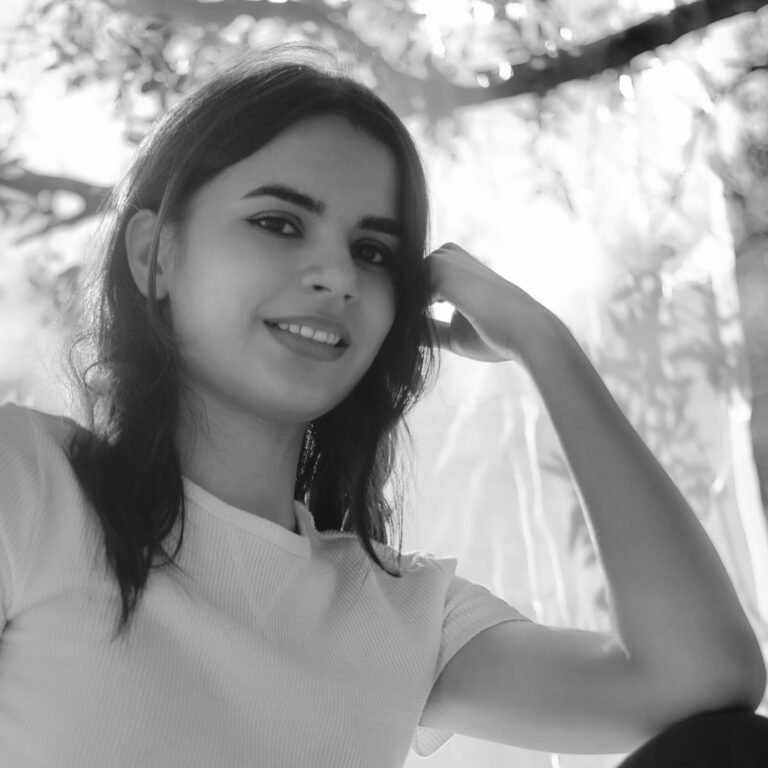
Emaan Pirzada is a visual artist from Pakistan, based in Bristol, UK. She holds a BFA (Honours) from the National College of Arts, Rawalpindi. Working across drawing, painting, and mixed media, her practice is rooted in miniature painting traditions and explores how space, architecture, and environment shape memory and identity. She has been practising full-time for over five years, alongside her experience in teaching and curatorial work.
notes on memory, domestic spaces, and fragments
The work changes alongside life itself.
How is your studio routine lately?
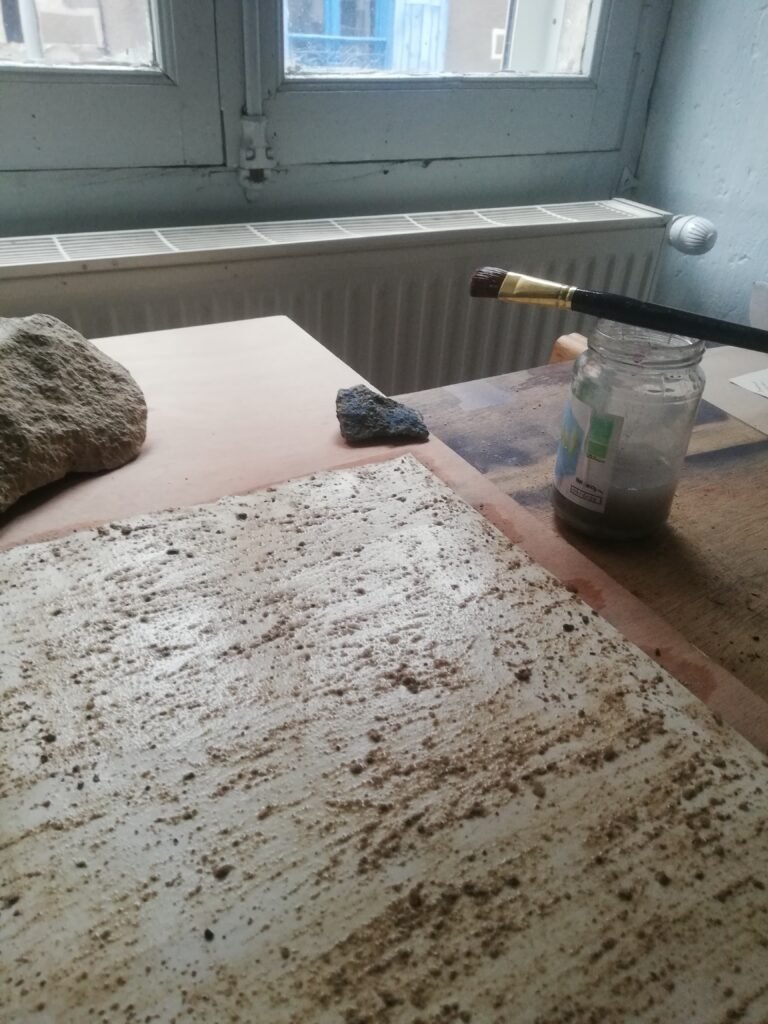
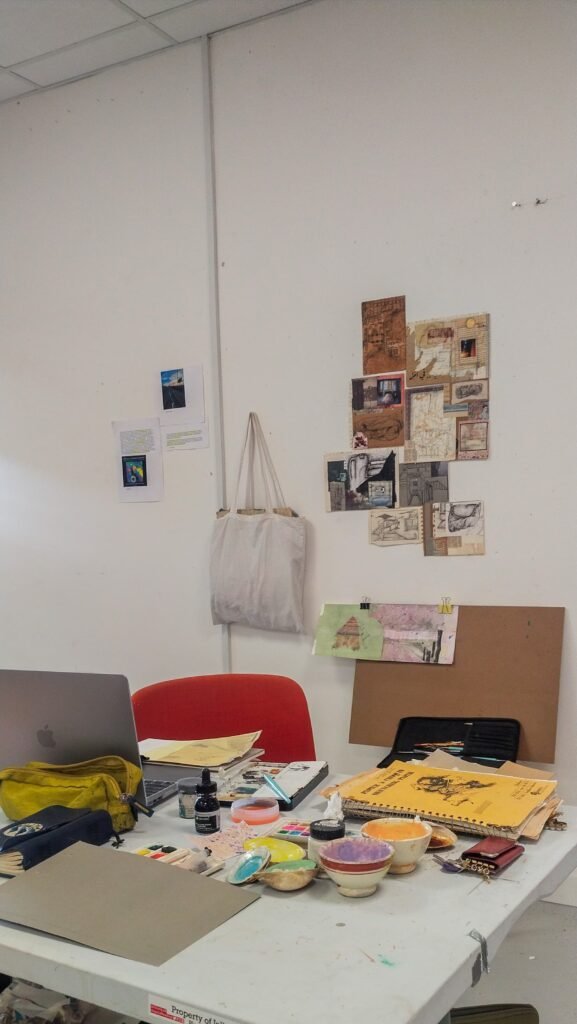
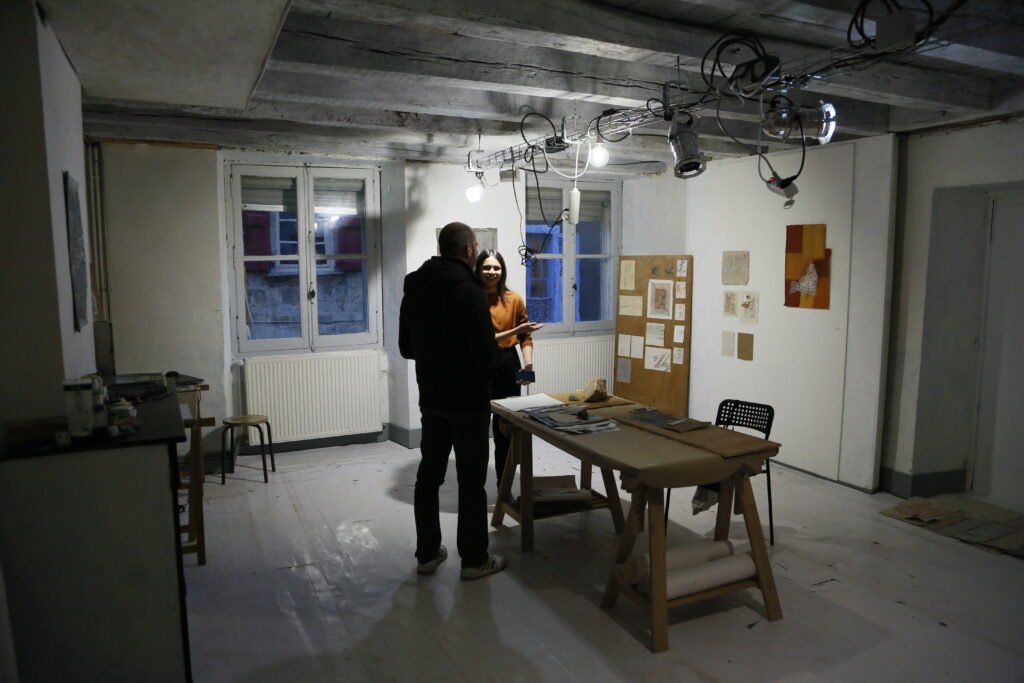
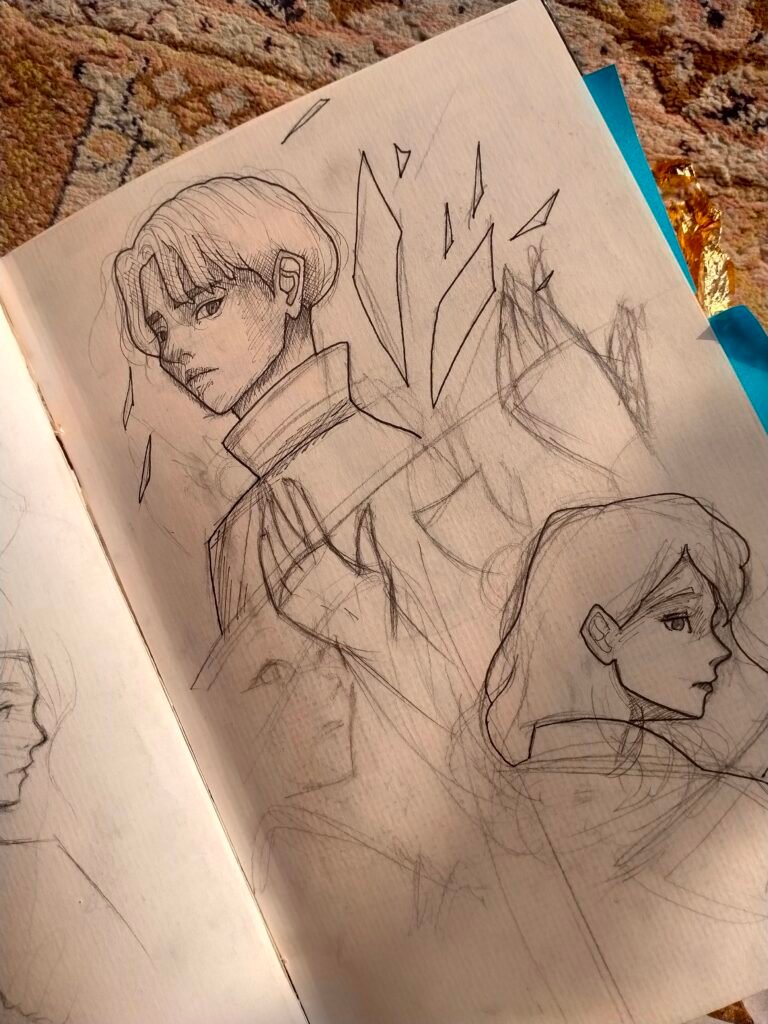
Lately, I’ve been trying to build a routine where I do something every day that contributes to my practice whether that’s painting, reading, researching or applying for opportunities. Moving to a new country has naturally shifted my perspective. A lot of my time now goes into observing, sketching, photographing spaces and slowly collecting fragments from everyday environments. The studio has become less about producing quickly and more about revisiting memories and allowing things to unfold gradually.
Your work draws from domestic spaces and familiar environments. What continues to pull you toward these spaces emotionally or visually?
It comes very naturally to me. Even before it became central to my practice, I always had the habit of drawing the spaces around me and dating them almost like a form of preserving memory. I think it began from never fully feeling rooted in one permanent place and becoming emotionally aware of the spaces I moved through. Domestic spaces hold very honest traces of people; small arrangements, worn corners, shifting light, objects left behind. I’m drawn to how quietly they carry emotion and lived experience.
Your work has a surreal and fragmented quality to it. And you’ve mentioned preserving feelings through imagines, materials, and details. How do you begin to arrange these elements when starting a new piece?
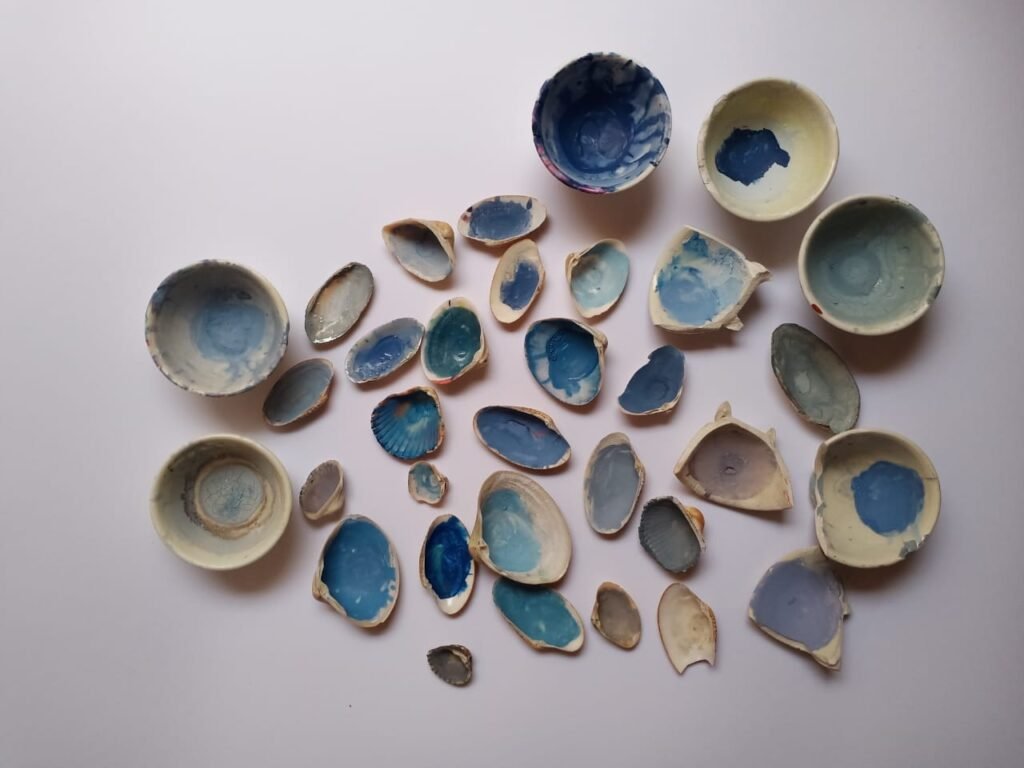
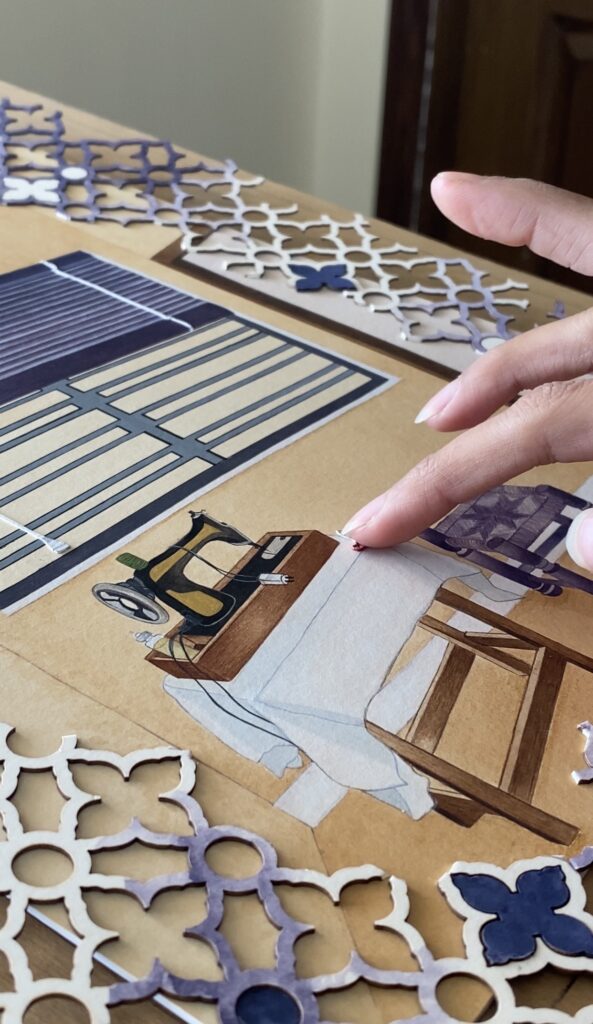
Most of my works begin quite intuitively. I start collecting fragments: materials, images, shadows, colors or details that feel emotionally connected to a place. Then I slowly begin arranging them almost like memory itself: one thought leading into another. Material also plays an important role in those decisions. A photo transfer can create a nostalgic feeling, brown paper can make a cardboard structure feel more real and a diluted yellow wash can suddenly hold the warmth of sunlight. So, this approach is less about reconstructing spaces accurately and more about how they linger in memory.
Are there recurring objects, symbols, or motifs you find yourself returning to repeatedly? What keeps drawing you back to them?
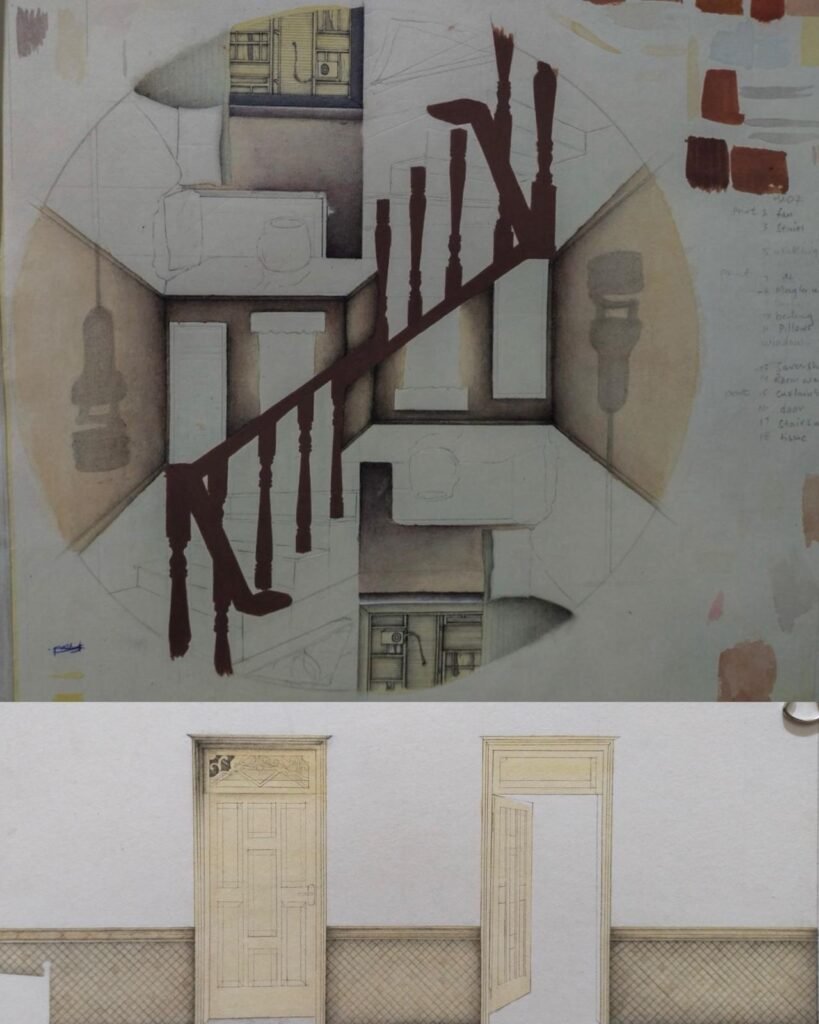
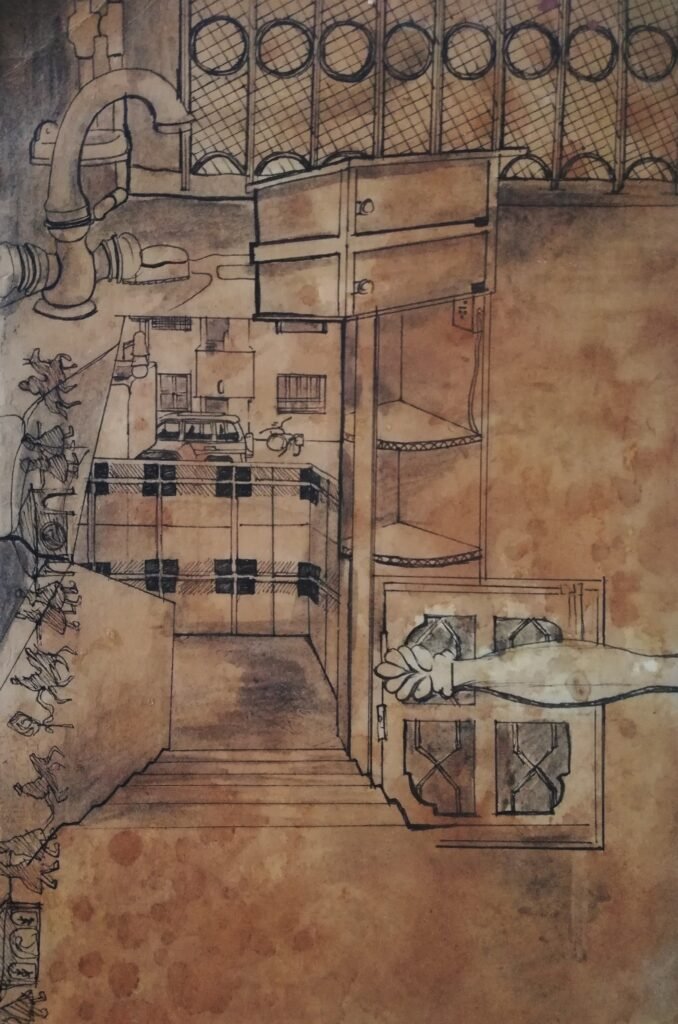
Staircases, windows, doors and transitional corners appear repeatedly in my work. They may seem ordinary, but for me they hold symbolic weight suggesting movement, transition, growth and change. They often become anchors through which memory and movement unfold within the composition. I also often return to Mughal patterns and miniature aesthetics, which naturally remain part of my visual language because of my training in Indo-Persian miniature painting.
Are there any spaces in your life that continue to stick within your work or sense of self?
Yes, many spaces continue to stay with me long after I’ve left them. Houses I lived in growing up, balconies, transitional corners, shared rooms and even temporary spaces from travelling often reappear in fragmented ways. I don’t think I ever depict them directly, but they continue to exist somewhere within the structure of the work.
What places, environments, or periods of movement shaped the materials or visual language within your work?
A lot shifted in my work after graduation, especially through residencies and meeting artists from different backgrounds, I have been experimenting more. Living across Pakistan, Cairo, Istanbul and now the UK has deeply influenced how I see space, light, atmosphere and material. I observe constantly, and then whatever environment I’m in tends to naturally enter the work. Some periods bring brighter palettes and openness, while others feel quieter or heavier. The work changes alongside life itself.
Since your work emerges from personal experience, have there been moments when viewers interpreted a piece in ways that surprised you?
Quite often actually. What I find most interesting is how people connect the work to their own memories and spaces rather than mine. Sometimes viewers notice emotional tensions, narratives or relationships within the compositions that I wasn’t consciously thinking about while making them. Those interpretations often expand my understanding of the work itself.
If someone could understand you only through the spaces depicted in your work, what might they learn about you?
Perhaps that I pay attention to small things and become emotionally attached to spaces very easily. The works probably reveal someone who observes quietly, holds onto fragments and understands memory through atmosphere, objects and lived environments.