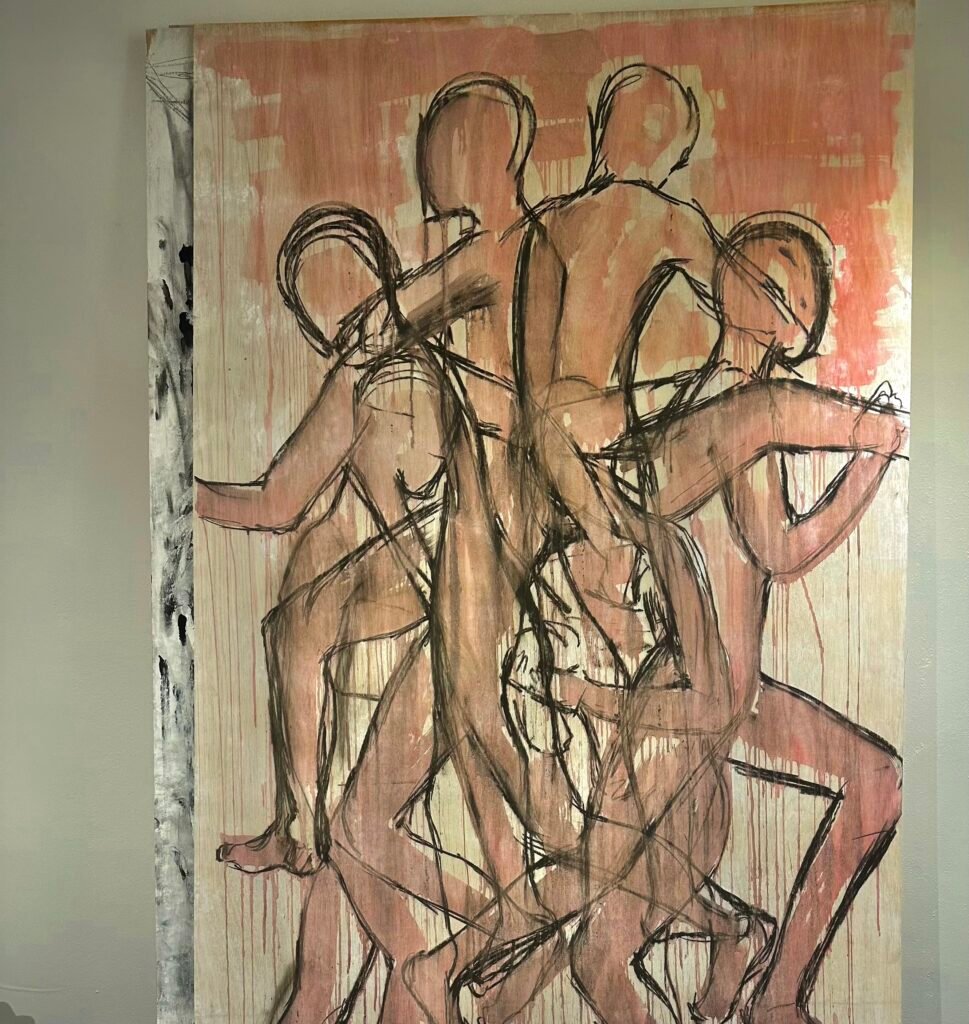
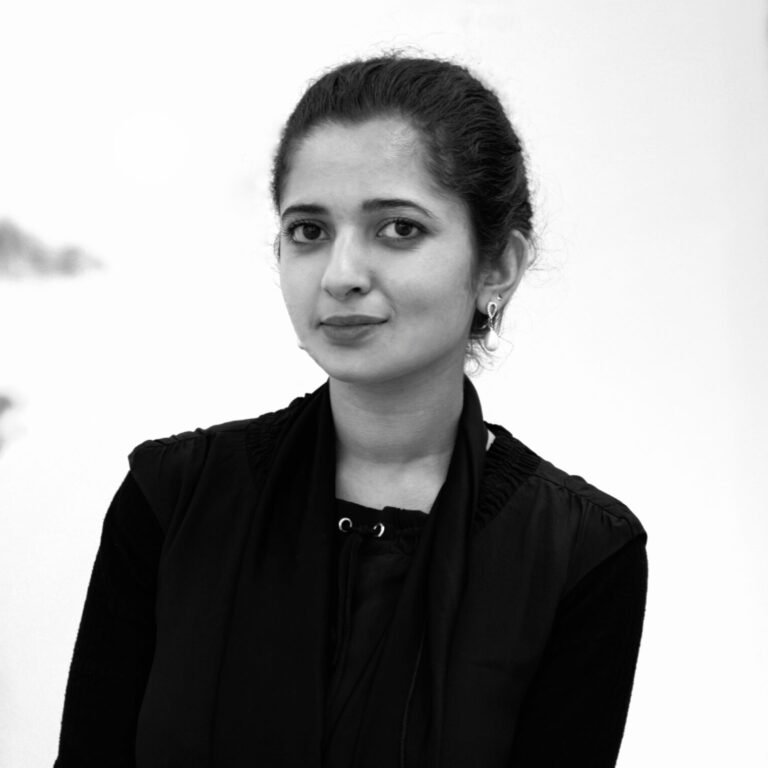
Saniya Farooq is a visual artist from Pakistan, currently based in the UK. She is a painter with a multidisciplinary approach, and explores the dynamic interplay of traces, motion, and subjective perceptions. She is interested in the transformative process, repurposing of surfaces and distorting the familiar; creating a point where the seen and suggested converge.
Notes on mistakes, unexpected outcomes, and making
Just create.
And if you are not creating, then study, write, make a lot of notes, of every thought and idea that comes in your head. Even the impossible one.
What does your studio routine look like?
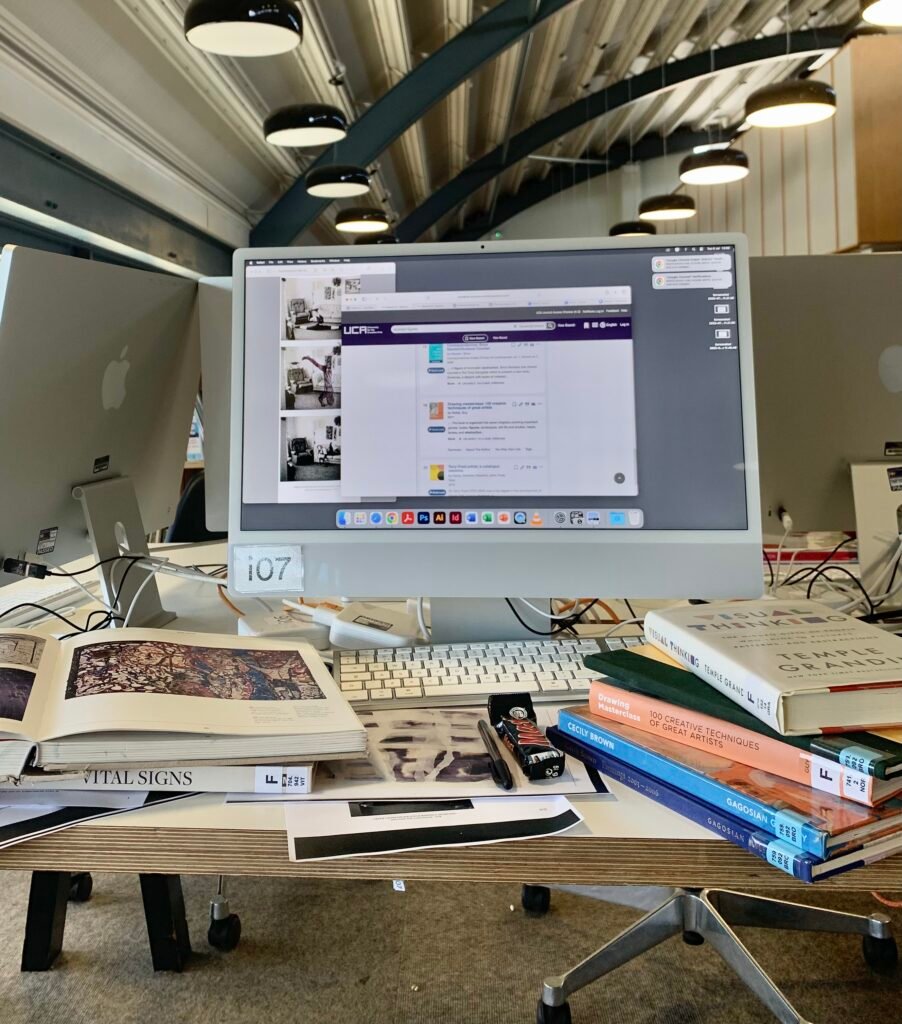
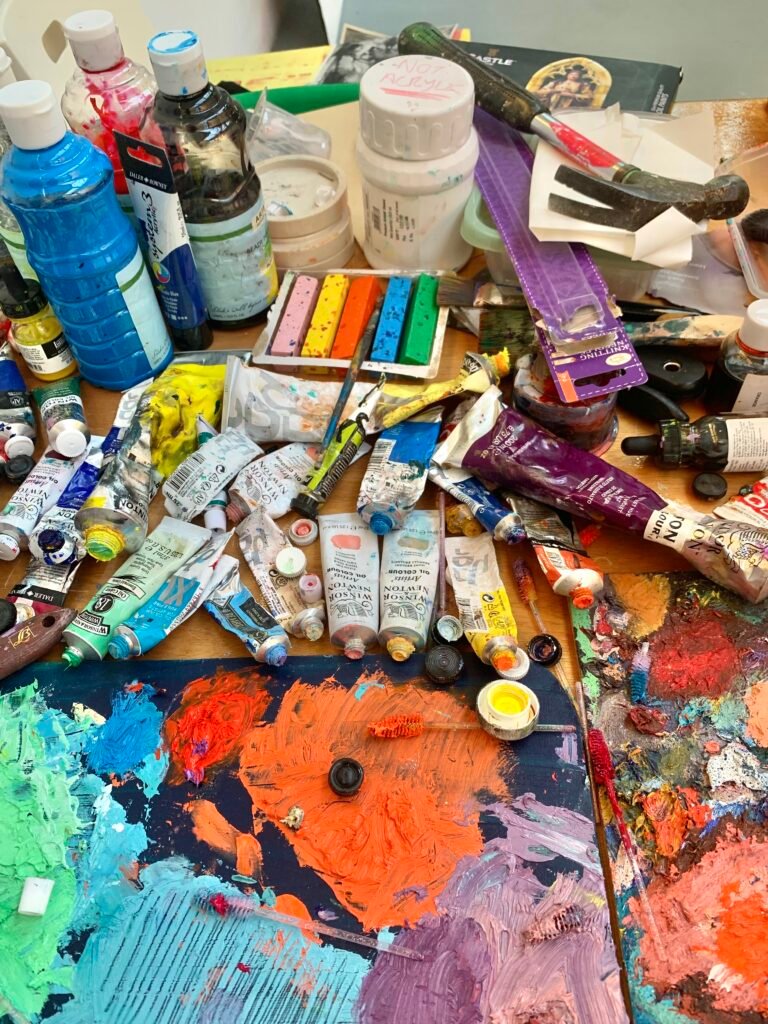
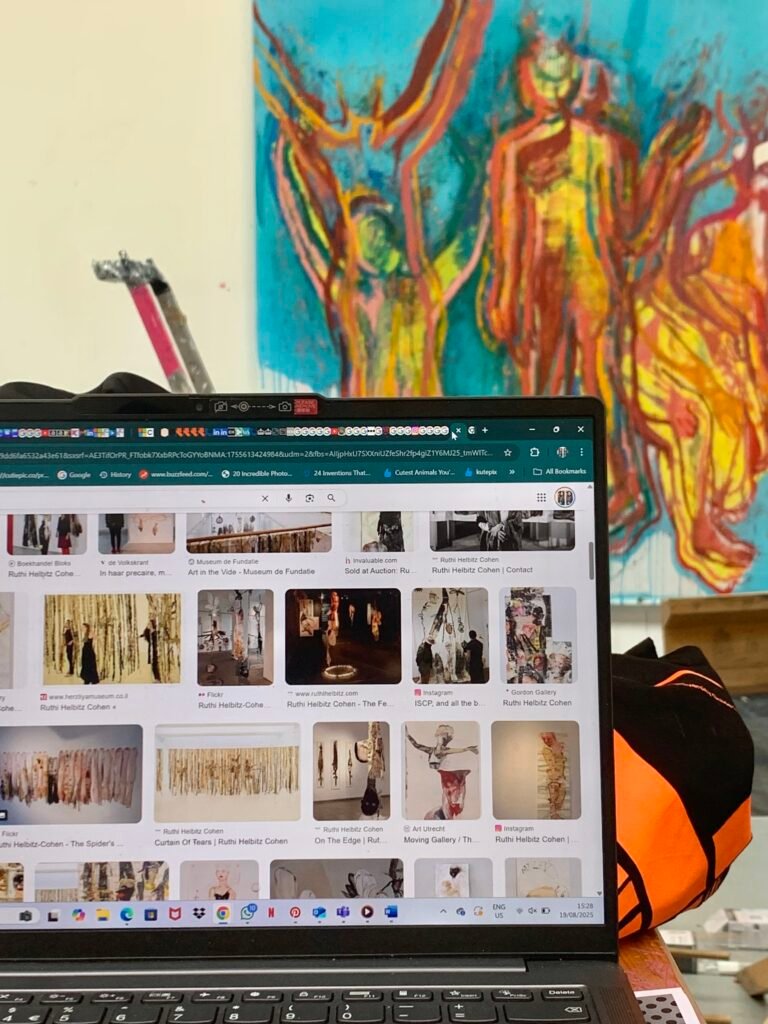
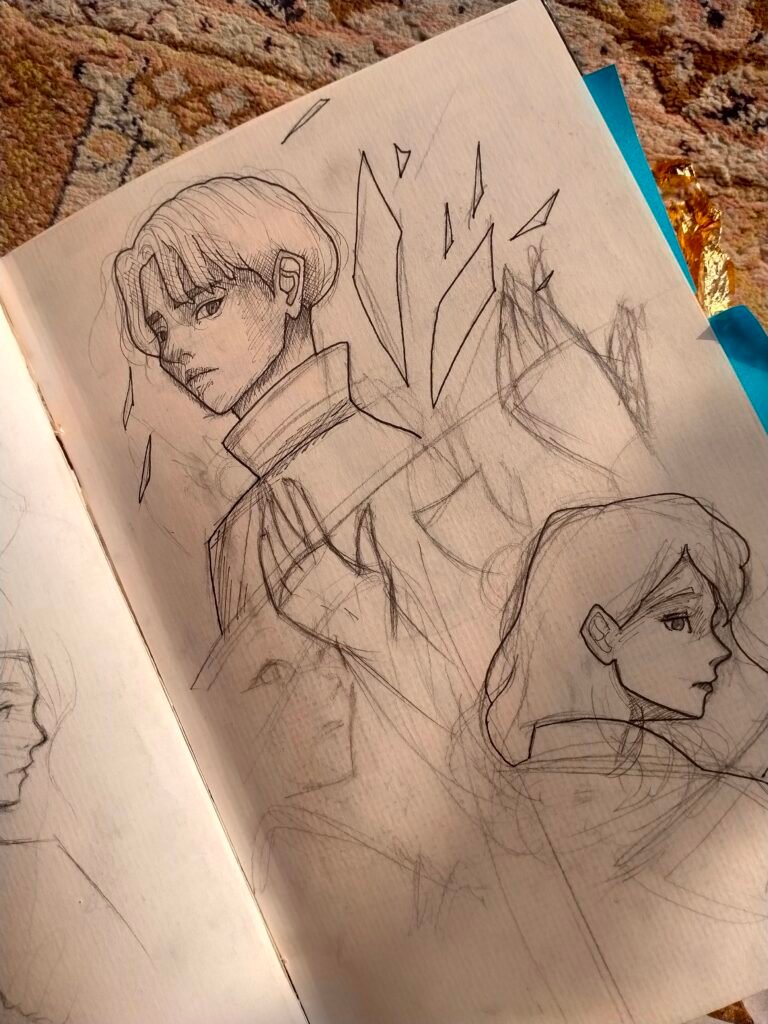
My studio routine is very divided right now, but normally it consists of a lot of brainstorming, penning down ideas that interest me, gathering random materials, as inspirations for me at times stems from understanding materiality, and my curiosity of seeing what I can or cannot do with something. Recently I have adopted a habit of reading about philosophers and intellectual artists, seeing how they work in their studios, and that inspires me further.
So to summarize, I think of an idea, execute a plan, gather the material well suited, then I try to make a smaller prototype before making something of a bigger scale, where I further experiment, have trial and error phases, make changes along the way. I keep it very flexible and as the process starts making sense, the piece comes together.
You’ve mentioned not having a fixed way of beginning or ending. How do you navigate moments of uncertainty within your practice? Or deciding when to step back from a piece?
When I feel stuck at a stage, or not satisfied with how the work is turning out, I often take a step back. I understand at times my creativity and motivation is at a good level and at times it is not, and I have learned to give myself room for when that happens. By putting a break on my hands and keeping my thoughts fresh, I’m able to resume working at a more exciting pace and a better plan. At times I like working on multiple pieces simultaneously, so if one work is requiring intricate details and proper focus, which I am unable to give at that moment, I go to the piece that maybe just needs a prepping layer or something monotone, or maybe collecting reference content that might help me later.
Has uncertainty or feeling lost ever led you towards an unexpected material, surface, or direction within the work?
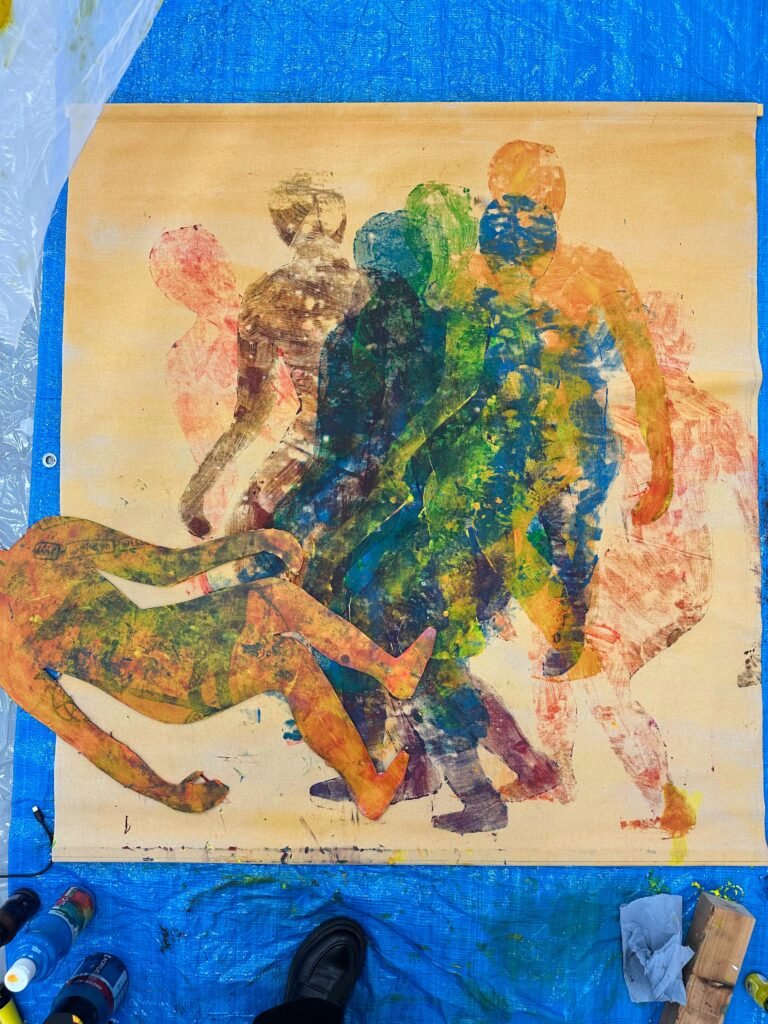
Yes, in my postgraduate I was really struggling to make large scale work; which is something I really enjoy. I needed to find an alternative to canvas, and save the prep time for canvas, the cost of material, and tackle the issue of storing it as well. I unexpectedly came across a rolling window blind. It was the perfect material for me to paint on, it was light, could be installed in minutes, cost efficient as well and took little to no space when rolled up. Upon discovering and understanding the material it really helped me progress in my work.
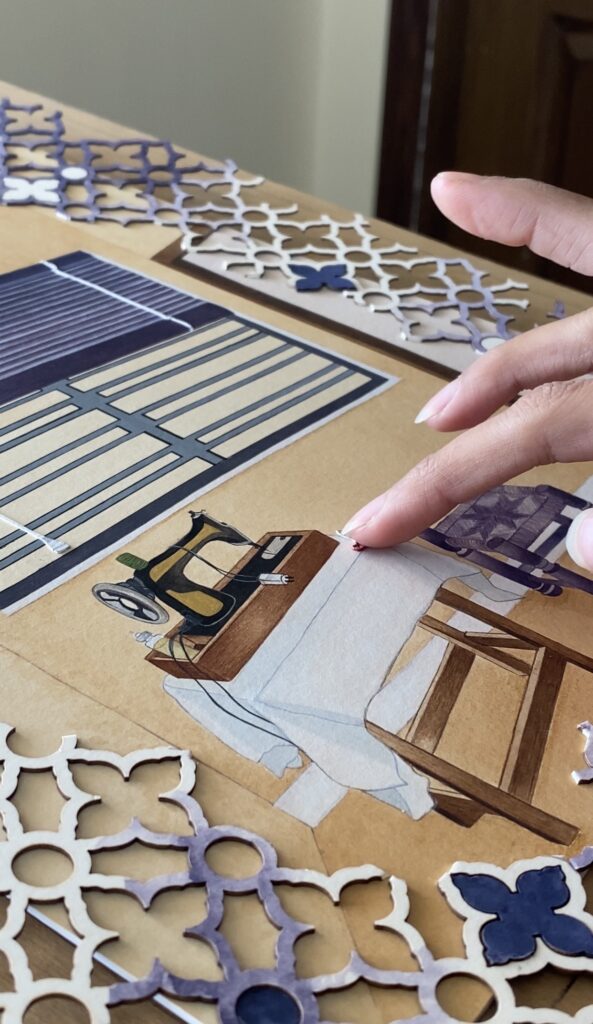
Other than that there was a period just before my final submission for my graduate show when I went into a creative block, as I was unsure with the direction of my work. I wasn’t able to paint or create anything for a week at a very crucial time. After a lot of research and untangling my thoughts, and long discussions with myself, as well as mates, I started thinking bigger and very much out of my comfort zone. I started creating a lot of 3 dimensional works, holding space within the space and just the walls, where audience engagement became necessary to complete the narrative of the work.
Once I had this very exciting and daunting plan, I worked diligently for a month and created 6 very unique pieces, nothing like anything I have painted or made before. Looking back at that period really made me realise how much of my creativity was stemming from my brain, and how if that was clouded, my creativity becomes a tool I am unable to use.
Are there any surfaces or mediums you keep returning back to?
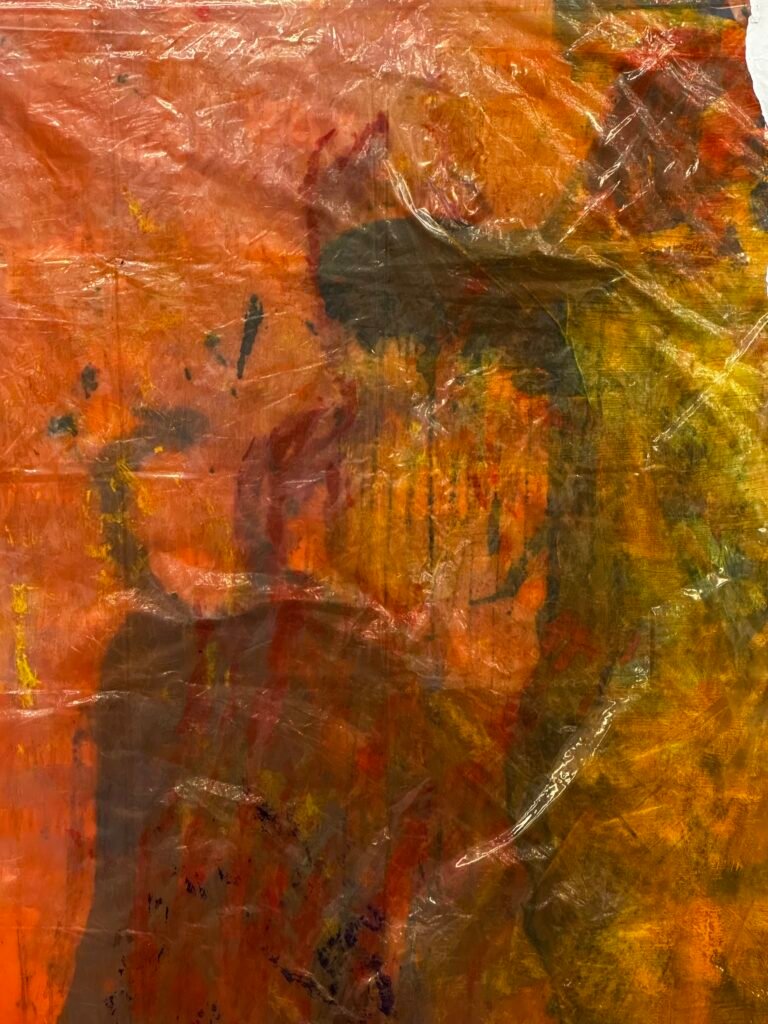
The window blind was something that I kept working with time and time again, the plastic materiality held the paint in a very interesting manner, it further made me confident to really try out other materials as well, and I further worked with plastic sheets, voile fabric, tarpaulin sheets, cellophane, cardboards and random found materials. As my main medium for painting, I used a lot of oil paints, but recently I have been really mixing it up and by understanding the different materials I also keep in mind what medium would hold better and interact better, which has prompted a very interesting mix of materials for me.
Your practice engages closely with transformation and process. So looking back, how has your relationship with art transformed over time?
I have really gotten out of my comfort zone, and the idea that was in my head for the longest time of creating a very perfect looking painting. Before, my entire focus was on the observational aspect of art, and I constantly felt there was something missing,
I really wanted to work with my intellect and challenge myself, creating work whose final product I couldn’t determine right from the start. While observational art and realistic works brought me a lot of joy in the act of painting itself, I thought it was very limiting. I now have found the perfect balance between my thoughts and creativity, where ideas are constantly flowing in my head, and changes can be made to work till the very end.
I have formed a bridge between mind and matter!
Is there anything specific that urges you to explore what you’re exploring in your current series?
Just the unlimited possibilities of making artworks that really makes me want to explore, experience and learn, as the first spectator of my work. The new found approach to work makes me feel very engaged as it’s very process-led and very responsive to every move or step I take, which forces a way more focused approach of making work. This time around I have kept my work very open, with each work leaving a whole different line to creating a series of works. Currently I am exploring printing techniques and experimenting with prototypes of smaller scale. Once I’ve made my mental notes I want to expand that and incorporate that to my practice.
What feels unresolved in your practice at the moment?
I created a lot of work in a short period of time which meant I didn’t have as much time as one hopes to have to understand and make mistakes. Looking back, there are a few things that I think I could’ve done differently, but overall I made the best of the circumstances. During the process, I understood a lot of things and I made a lot of notes, as to what needs to be changed and what really did work. So now I really need to get to work, and create, and learn new things.
What advice would you give to someone feeling stuck in their practice?
Just Create.
And if you are not creating, then study, write, make a lot of notes, of every thought and idea that comes in your head. Even the impossible one. Do the things that excite you, intrigue you and confuse you, because the thrill of solving it is great. Listen to your intuition and trust the process.
As long as your art is making you feel things and you have made progress, it’s all good. Something I do when I am being overly critical about my art is; I take a step back and remind myself how I brought it into existence from a blank surface to a material unexplored. It was sitting there being ordinary, I made it into something extraordinary.