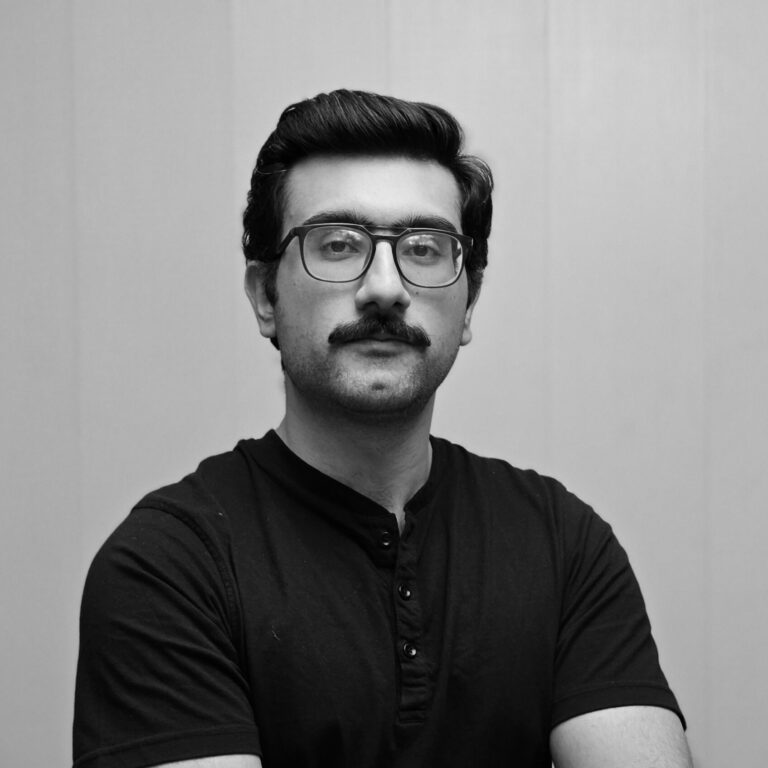
Fahad is a visual artist based in Islamabad, Pakistan, with a background in miniature painting, printmaking, and photography. His practice investigates the boundaries between visibility and invisibility through a minimalist perspective, exploring how everyday life can become a space for contemplation.
Notes on Routine, conversations, & the art market
I’ve had a few significant conversations like that in the past, but one that I always recall is a discussion I had with one of my teachers in college, who said “Making art is like driving, you can’t drive forward without looking in the rear view mirror”.
What does your studio routine look like? Please walk us through it.
My studio routine is very basic, as in the steps almost every creative takes before and during the creation of art.
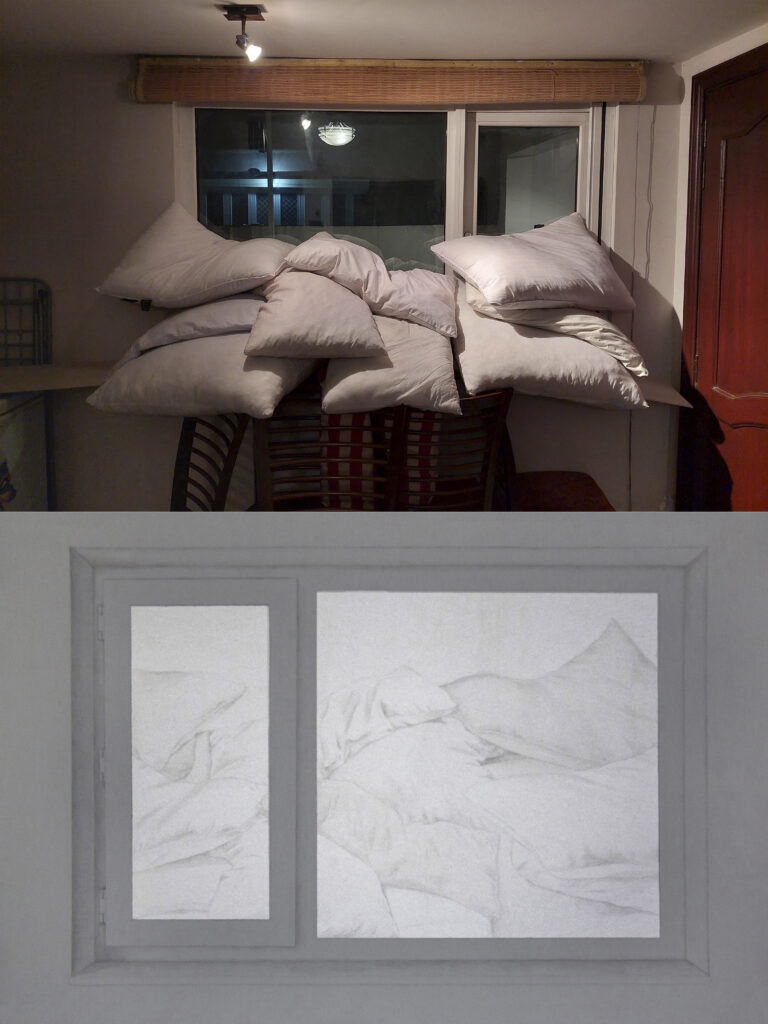
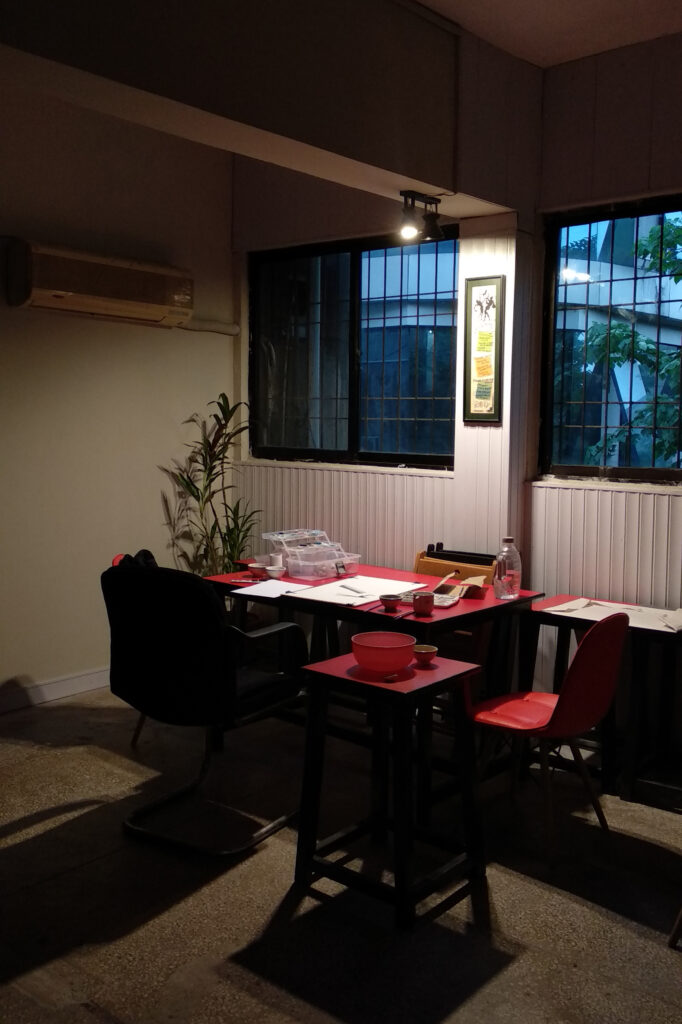
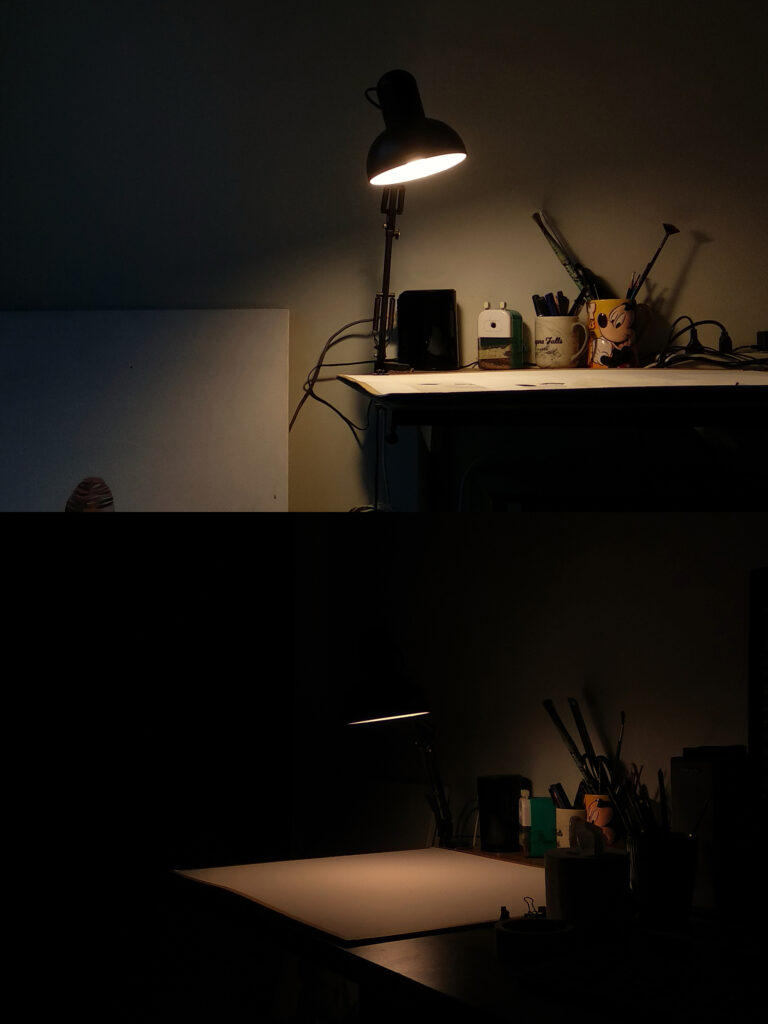
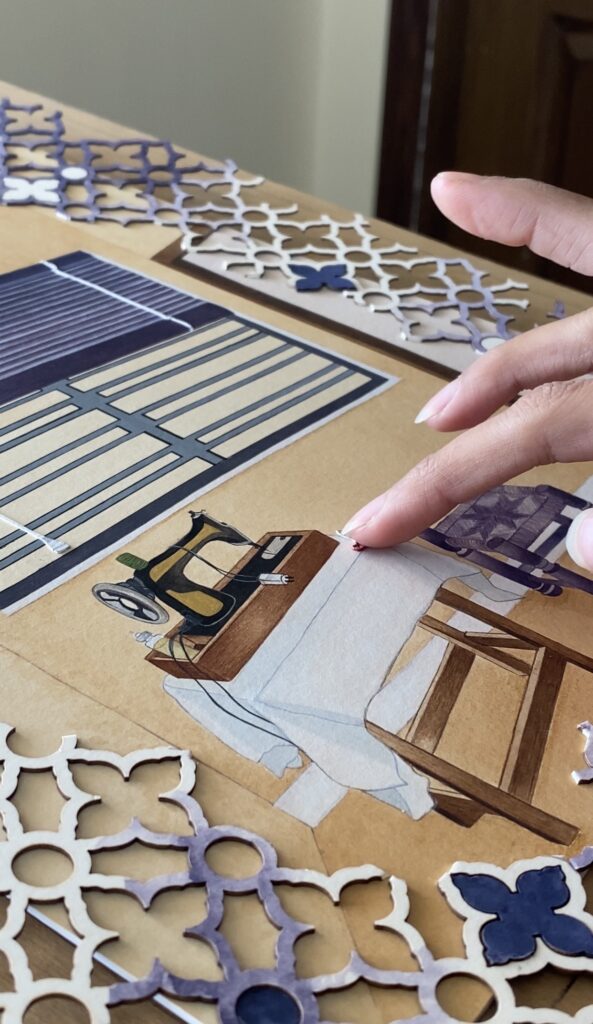
Long before I even enrolled for my BFA, I always had a habit of preparing the materials to be used in the process; a practice that has been a part of my studio routine till present day. Since I work out of my home, and at times, a studio space, I find myself minimizing the amount of materials I need. Working primarily in white on white, I ensure that my workspace is always clean, dust free and all my bowls and palettes, from clean water to paints, pigments and pencils are placed in an orderly fashion. I find that while I do enjoy listening to music when painting, it’s not something I rely on for focus, simply sitting down and painting is the foundation of every artwork I’ve made. However orderly I am with certain parts of my practice, I can never dedicate a specific time limit to my studio sessions. Honestly, it can vary from 30 minutes to 14 hours!
How do other forms of art guide or feed your practice?
I’ve been watching films for as long as I can remember and I only started reading at a much later stage in life, but I noticed that through consuming art in a medium different from the traditional ‘painting on a wall’, my imagination was being cultivated in a broader sense. Being a visual artist, I feel like films offer me a great range of visual expression, unique to a specific topic or concern. Similarly, books enable me to describe those expressions in a way that I can cultivate the imagination of the people who experience my art.
Has there ever been a conversation that felt insignificant at the time, but later left a mark on your work or the way you see things?
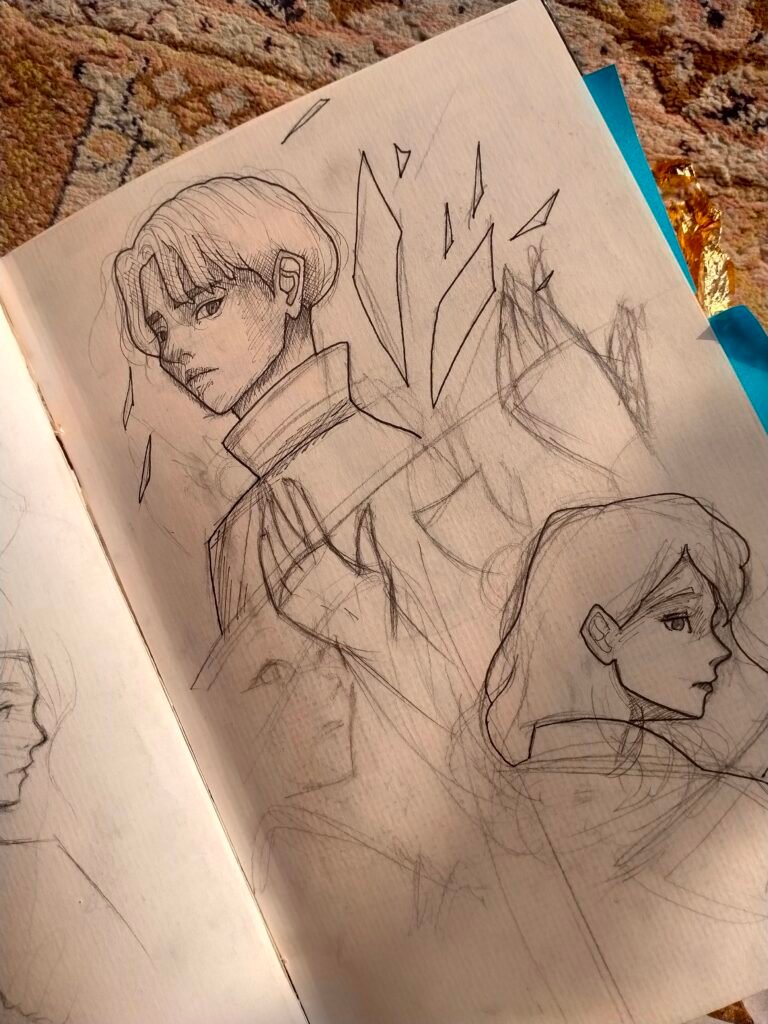
I’ve had a few significant conversations like that in the past, but one that I always recall is a discussion I had with one of my teachers in college, who said “Making art is like driving, you can’t drive forward without looking in the rear view mirror”. This statement didn’t mean much to me back then, however, when I was in my last semester in college, I was going through my old works, even as old as childhood drawings, and that’s when I realized that everything I was producing, was an amalgamation of every experience I’ve had leading up to that moment. That single statement is still relevant to my practice today!
As someone who leans toward introspection, how do you navigate exhibition openings, where artists are often expected to show up a certain way?
I find exhibition openings to be very unsettling. In Pakistan’s art market, where the artists overtake their art in value (mind you, not monetary value), I feel like it’s a betrayal to the notion of producing art in the first place. However, I can personally say that at least the people who appreciate my work, appreciate it on its merit, not on mine as a person.
How do you decide what stays private in your work and what you allow to become public?
I simply do not paint what I do not want the public to see. In an art market, filled to the brim with art on ‘personal problems’, I don’t feel like adding to the fire, there’s enough of that in the world. I’d much prefer making people think differently about things than just becoming a centre of attention or simply being relatable.
What role do you feel a curator plays in shaping or mediating that experience?
There are only a handful of curators in Pakistan who are solely curating, and not being the artist themselves or a gallery owner. I find that curating an exhibition is the foundation of how well an artwork is received outside its own merit, and thankfully I have been blessed to work with a few curators who understood my work as I intended it to be. This understanding, however, is not always met, which is why most artists don’t end up working with certain galleries or working altogether. I certainly hope that curation as a separate specialization can be taught in Pakistan, because this art market directly needs it.
What aspects of the art market have you come to accept, and what are you still figuring out as you go?
I have accepted one thing about the art market, and it is something universally applied to any market or profession, and that is to never stop working. Good art or bad art is subjective, but consistency isn’t. No one cares about any artwork enough to think about it for more than a few minutes, but artists overthink their practice to a point where they stop producing art, myself included. I’m still figuring out how to stay consistent in the fine arts market, but that never stops me from producing art in general. Genuine efforts are never wasted, and I feel like they’re always rewarded regardless of the market you’re in.
If you could sit in an open space and quietly observe your surroundings with any artist — living or dead — who would it be, and why?
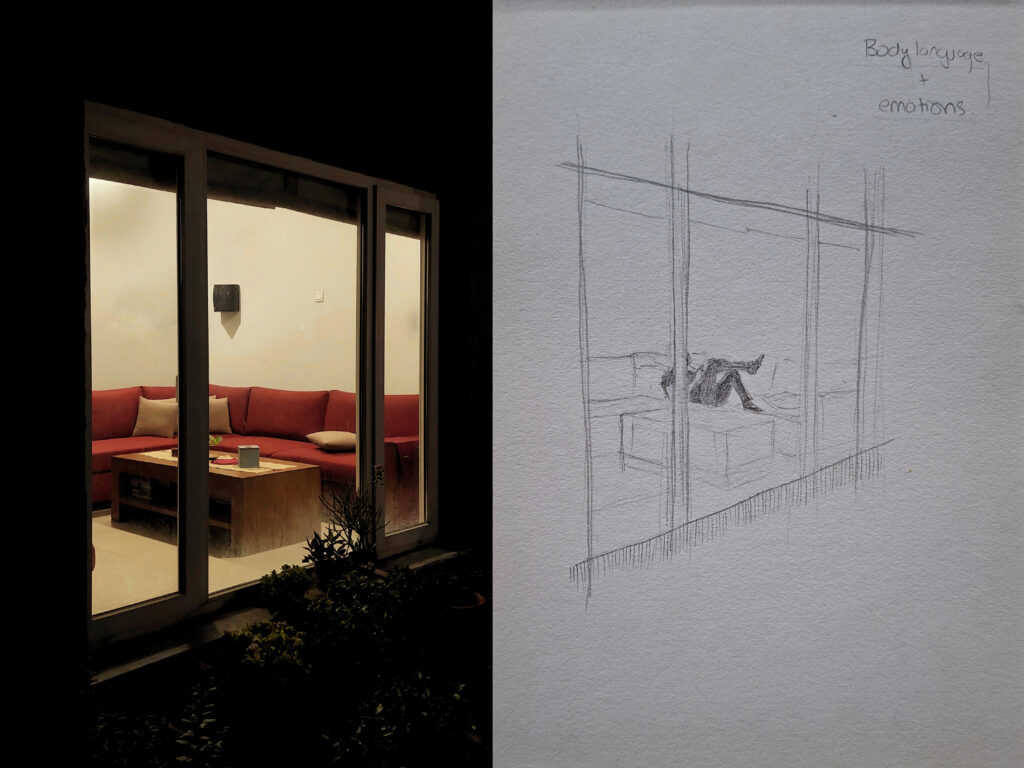
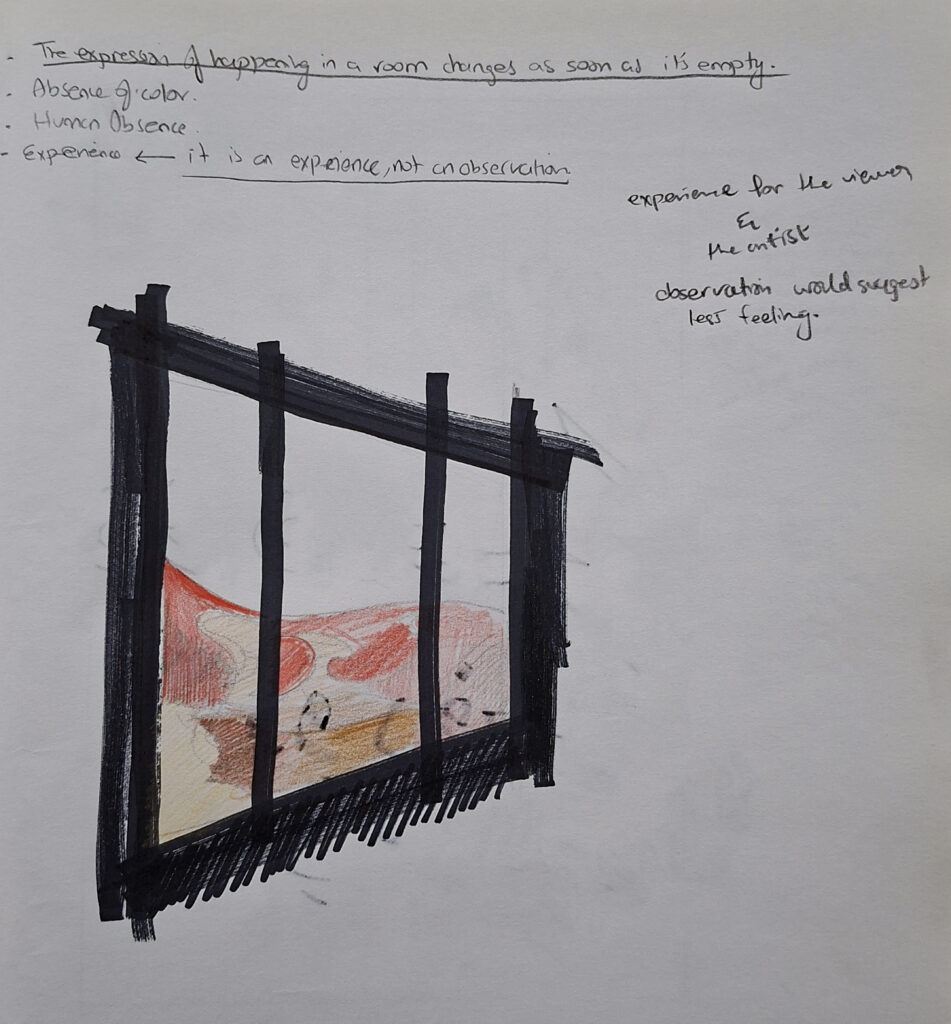
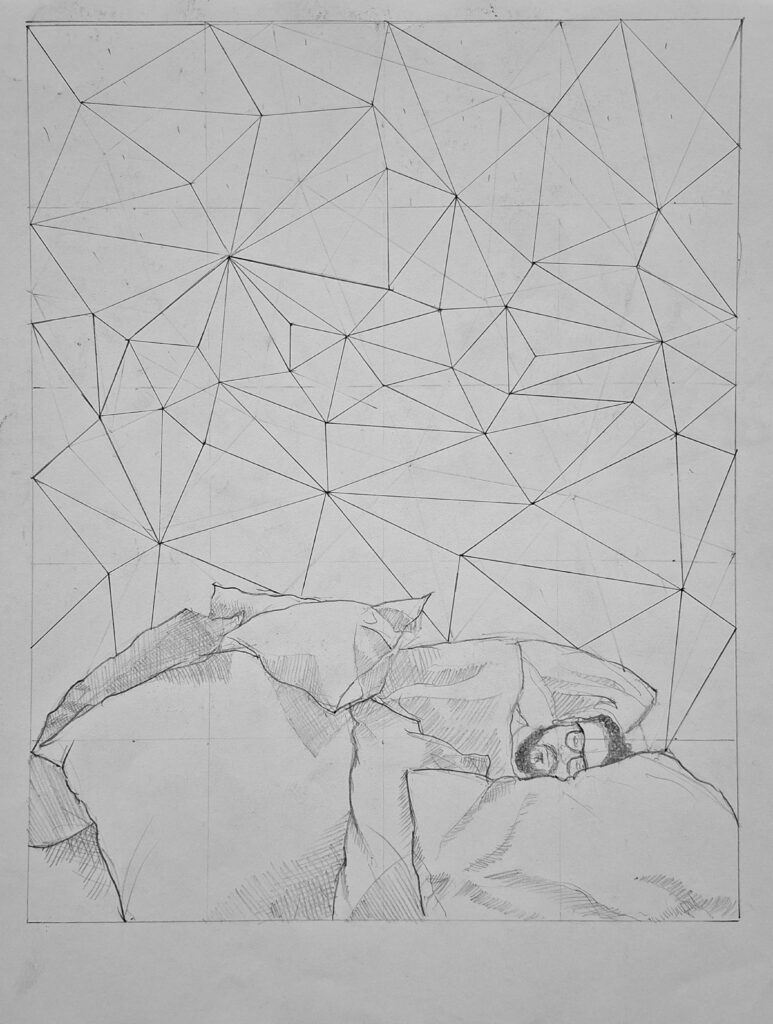
I can think of many artists, but one who was a direct inspiration for my work is Edward Hopper. The way Hopper painted everyday life, simply as it was, is something I intend to produce when I’m working as well. I find his work to be as real as everyday life can be, and that too, in a fashion that strikes the viewer very gently and holds their gaze. It is something I tend to recapture with my work, however visually different it may be. The fact that I plan my paintings with rough drawings and measurements of my compositions with grids and lines, was something that surprised me when I learned about Hopper’s practice being exactly the same way. Hopper’s art was a vital part of my thesis work, and is even more so of my current line of work.