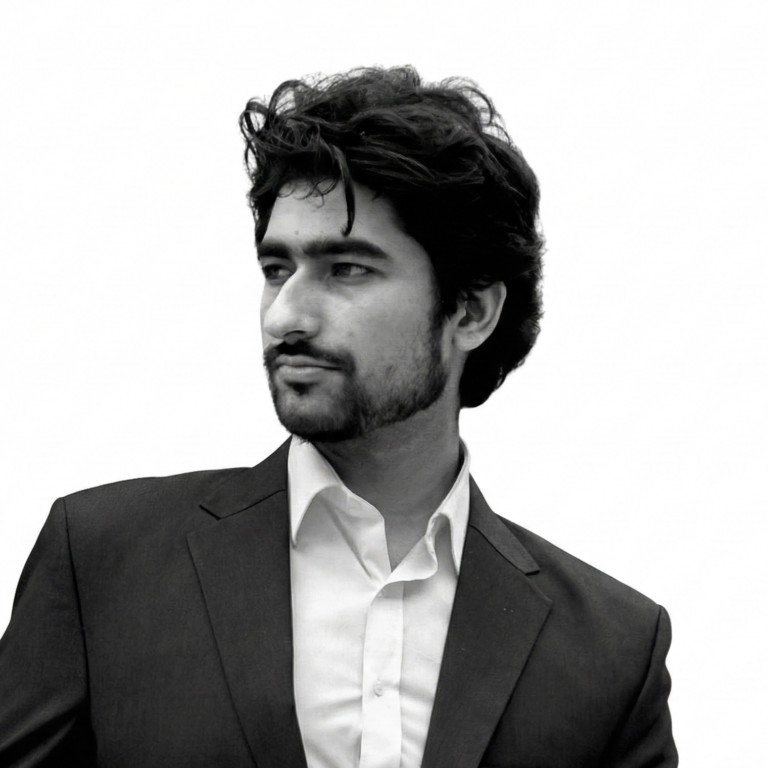
Taimur Jamil Chughtai is an architect, artist, and a photographer based in Islamabad. His work is deeply influenced by his background in architecture, which has taught him to see the world through light, form, space and color. Graduating from National College of Arts, he has honed certain design/ photography skills as an architecture/ art student. His architectural practice revolves around Bauhaus, de-constructivism, brutalism and light-manipulation, while his photography revolves around architectural, street photography, alongside experimental genres.
notes from fragmented memories
People and the spaces we once inhibited, all have a story to tell. All you have to do is develop a listening ear, with a relative lens to capture the story.
You describe yourself as a “photographic artist” rather than a photographer. What does that distinction mean to you, and what are you trying to express through photographic manipulation?
I regard myself as a Photographic Artist. I believe that the difference between a photographer and a photographic artist is how we capture and showcase what we capture. Majority photographers capture realism. I capture how I perceive the colors, the spaces, the atmosphere, the energy. I lean more into the surrealism side of photography, merging fine arts and miniature techniques, delving into surrealism, liminal-ism as well as expressionism.
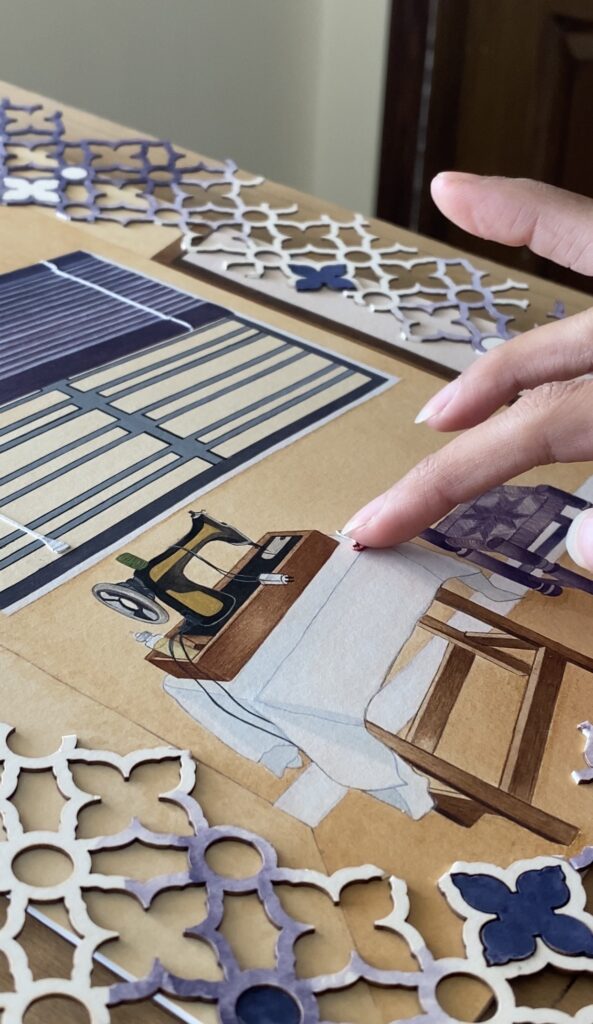
Moreover, working with photographic manipulation, be it manual or digital, or celebrating other artforms and showcasing the evidence that I do, and feel right at home with other fine artists, miniature artists, sculptors etc. through my work.
How has studying architecture changed the way you photograph the world around you?
I started drawing and sketching at a very young age, say when I was 8 years old. And it has been evident that I’ve had a knack for being an artist and I feel right at home with it alongside being an architect as well as a designer. Art, architecture and design are the elements that tie me together, and I showcase my love for them through my photographic artworks. Entering NCA made me fall in love with pursuing architecture. It made me appreciate the art and science of designing spaces, buildings, how light and shadows play, the colors, the textures and what have you.
Art and design are subjective, but there’s merit to it. Like good art, there is good and bad architecture and you can learn from both of them. What really captivates me is how architecture and the buildings/ spaces that it births have this standing, this atmosphere, this influence, a sense of energy as their own individual entity. These designs and these buildings, they speak to me. They tell me how to capture them. I explore these spaces and places, then I negotiate with them, then the building/ space and myself, we come to a middle ground, where it’s a marriage of my vision and how the space/ building wants to be captured. It’s an enjoined/ collaborative work between a beating heart, and so called “inanimate objects”
Furthermore, architecture and photography both have helped how I want to showcase my designs in a way they appear exactly as what I want to show them at certain angles and perspectives. This can come off as total control but at the same time it is an ability for me to showcase how I feel about architecture and photography and how it has influenced my taste in arts.
Do you think photography can change what society considers beautiful?
“Humans are odd. They think order and chaos are somehow opposites and… try to control what won’t be. But there is grace in their failings. I think you missed that… A thing isn’t beautiful because it lasts. It’s a privilege to be among them.”- Vision, Avengers: Age of Ultron
There are merits to beauty and ugliness. Our perception of it has been shaped through how we were designed as humans, to be humans. Some are through our instinctive nature, some are man-made.
As an individual, I’ve embraced the beauty of what surrounds me, but I’ve also been self-aware of what the human mind, heart and soul perceives as beautiful/ ugly, and what we have perceived beautiful through societal or herd mentality, which can be meddled with, questioned, embraced, or rejected entirely. Through my work, I play around with the very idea of what we can call “beautiful” or “ugly”.
A man believes that he is to pursue perfection, and that there’s beauty in what we perceive as perfection. But I believe what makes us more human is not trying to control or perfect the things, spaces, designs, people or living things that we deem imperfect. But instead, celebrating the imperfections, the ugliness and finding beauty in that there’s always more to what meets the eye, rather than accepting or rejecting it superficially.
My experience of failure as a super senior who repeated two years at NCA allowed me to stop chasing perfectionism. And it allowed me to accept my failures, my flaws and celebrate what is in my control and what is not, and to grow from that into what I am today and what I preach through my work. Ultimately, I’ve been able to perceive and acknowledge my surroundings and the people in my vicinity, as well as celebrate their imperfect perfections for what the society would perceive as serious flaws.
The beautiful thing about photographic artwork is that you can give birth to the photograph by seeing between the lines and capturing that within your surroundings, to be frozen in time eternally. Be it a rusty corner of a gate of an abandoned building, be it how nature takes over man-made spaces, or be it the decay of third spaces or spaces of “what could’ve been” or people in their most “human” aspects.
What do you think abandoned, damaged and overlooked spaces reveal about the people who built, used and eventually left them?
Usually one might expect the most poetic response from an artist, I believe that like life, many things are allowed to be simple, and be simply told, and left to the imagination of the listener.
“Memories of a bygone era”, call them broken or shattered, I’ve grown to call them the former. These spaces resonate with my own condition, rather I should say confidently, my own state of mind. As someone who has learned to embrace my dementia, in these surroundings I found peace, and I learned to love myself for the condition that I have. To show the things that average people would be critical, dismissive or perceive in disgust or in spite. I want to show that God exists in human abandoned spaces and human hearts. Photography allows me to capture moments in time that my memory cannot fully capture due to the condition that I have, and it makes me feel complete.
An abandoned Cat café closed too early due to hygiene tolerances in the city, with the vines taking over the corroded walls. A rusty door engulfed in a Jasmine tree. A house wall with chipped off paint job, revealing the many layers of paint job done by the various owners over the years. An abandoned grey structure of an apartment building left in the sun due to the funds being cut short, now bleeds in beautiful sunlight falling over the bare concrete, while water seeps through the ceilings.
The spaces, the textures, the colors, the architecture, the streets, the signs of people and nature taking its course with the space. These spaces invite a sense of nostalgia and inspire us to paint, or rather photograph the very concept of “What Could’ve Been”. As artists, we’re keen observers, storytellers, expressionists. We paint, and we photograph a narrative that exists beneath the corroded surface so it can be frozen in time on a 2D OR 3D plane. (photograph or sculpture/ 3D scan etc.)
People and the spaces we once inhibited, all have a story to tell. All you have to do, is develop a listening ear, with a relative lens to capture the story.
What boundaries are you currently trying to break, either artistically or personally?
Artistically, I’m in a pursuit to practice how I can merge, meddle with, compliment/ critique other artforms through my own work. My latest work “Sleep Token” (reference image attached) showcases my work as a homage to surreal oil paintings, delving into the light and shadow plays like those of Caravaggio or Dali. As a photographer I’m trying to showcase what photography has been stereotyped to and it doesn’t have to be defined by such titles, when in fact my work revolves around the very idea of challenging artistic, social, political and architectural boundaries, breaking some, blending many and forming entirely new ones. I believe experimentation and seeking discomfort is the key in order to bring something new to the table.
Personally, I’m still learning and shall continue to learn what is within my control and what is not. Besides my abilities and pursuit to make sure that the work I produce not only respects the time and love for my audience, but also myself. I know that my thoughts are my own, but the actions that I take will define the path as an individual and as a creative person.
My mind is my sanctuary, but it’s fatal to linger there for too long. If one dives deep, he/she should have enough breath, and stamina to get back to the surface again. A balance between both has and will define the quality as well as the consistency of my being and my work as well. That has been an endless pursuit for me and I’ll continue to grow in it and from It myself and my people shall see the progress as time goes on.
Where does making a living fit into the idea of art as a creative practice, especially when the two can sometimes pull in different directions?
The beautiful and tragic fact about art is that as humans, we cannot produce the exact same work twice. That is why art is a one off, unless we’re talking about prints, which is another topic. Art is subjective. Our subjectivity and its appeal depends a lot on the market and the target audience. Art has merits, yes, but art is also better understood by the culture that has been cultivated in its vicinity, be it an art university, a niche exhibition space, or a group of people working in residencies, countless examples.
Living and putting food on the plate requires regular income. Art, at its most creative endeavor, is not a regular income business model, or a business at that. Creating a masterpiece might come off at weeks or months on end of work to create one work or a group of works, which then might go through the lengthy process of being selected, exhibited and purchased, creating a huge gap between putting out work and getting paid for it timely.
There is a lot of revenue that the art market has to offer, no doubt, but it’s inconsistent and subjective. While some of it can be controlled via reputation and knowing how to market oneself, it is not a stable market, especially if you’re planning to have a family, or already have one.
On a side note, besides my absolute passion for architecture, I’ve always been interested as a fine artist from childhood and wanted to become one while entering NCA. One of the biggest reasons I chose to become an architect by heart as well as by profession is because while the pay might be low starting out, it is consistent and guaranteed and only gets better from there.
Coming back to the topic, there are a few ways that creative practice can become a somewhat stable income generator. One is being relevant enough to make spin offs or smartly made merchandise, another is commercialization of your creative skills. Commercialization of one’s artistic skills is ethically considered somewhat controversial among artists, since it is the art that is “designed” to appeal to the biggest audience possible. These are usually client commissions and projects commissioned by government or private bodies. Lastly, finding a stable job that is most relevant to your creative practice, especially entering academia to teach art to the pupils at any respectable level.
I believe all of these methods are valid, and one should understand that the true “creative practice” is the balance of all fours in this day and age.
Do you think an artist has a responsibility to make work that challenges the systems around them, or is simply making something honestly enough?
I think that as an artist, we have the responsibility of being honest with ourselves, and the most honest version of ourselves as artists demands the urge to push ourselves into challenging the systems not only within us, but around us as well. That is the “honest enough” work we are to produce, otherwise as an artist you have merely touched the surface.
What is one conversation you think the local art community isn’t having enough?
I personally believe that the local art community of Pakistan shouldn’t sit around and instead question our art market system. The market is designed such that our work is fully reliant on either curator, exhibition programs or the clients themselves. The procedure of producing a stream of artworks which are at the “chance” of being selected by the curators/ clients, where they shall be priced according to the curators/clients majority of the time. Then, during or after the exhibition there might be a chance your work gets some potential clients interested, and after further negotiation some of the work might get purchased with percentile commission for the exhibition space.
Unless and until you are at the top of the emerging artists with strong connections or have rubbed elbows with the high society as a privileged individual, the majority of the emerging artists barely get the spotlight they deserve. I personally believe this is a fragile and overly dependent business system where the majority say and power lies in the hands of the curators or clients. I’ve come across many of my colleagues/ artists who are taking regular paying jobs in somewhat similar careers/ relevant to their work to make ends meet.
All in all, I believe that artists should get the respect, recognition and a fair share of their work across the board, and make the market stable enough such that it welcomes and encourages new talents instead of discouraging them with the political hierarchy that exists in this market. Moreover, I think the alienisation of photography as an art form has been a perplexing concept internationally, and a very commercialized concept here in our own country. I aim to disrupt that stereotype and lead photography into a new light.
You mentioned repeating a year at NCA as a difficult period in your life. Looking back now, how do you understand that experience, and has your perspective on it changed?
Around 2022, I was in a difficult place after having to repeat my second year of Architecture at NCA Rawalpindi. I spent the following six months at home, wandering through industrial sites and abandoned spaces around I-9, usually with music playing. In those broken environments, I felt something profound: the spaces seemed to speak to me and tell me how they wanted to be captured.
Living with dementia, and struggling with fragmented memories had made me see my condition as a shortcoming, but in these imperfect spaces I found a strange sense of peace and perfection. They taught me to accept myself, my surroundings, and the things beyond my control. I realized that I wanted my photography to show the beauty and humanity in the things people often overlook, dismiss, or find ugly. Photography became a way for me to preserve moments my memory cannot always hold onto, and through that, I found a sense of completeness.
There were times where I questioned God for why I had to suffer to get where I am now, but I know I can’t question his decisions or authority. It’s a tough one but I’ll respect his guidance and I have continued to do so. All in all, I believe that experience has been an essential part of me in pivoting myself to reflect on the world with the mindset that I have. It allowed me to see between the lines, and so see beyond memories, and to know that there’s more than meets the eye to myself, my actions, my surroundings and my people.
My experience of failure as a super senior who repeated two years at NCA allowed me to stop chasing perfectionism. And it allowed me to accept my failures, my flaws and celebrate what is in my control and what is not, and to grow from that into what I am today and what I preach through my work. Ultimately, I’ve been able to perceive my surroundings and the people in my vicinity, as well as celebrate their imperfect perfections for what the society would perceive as serious flaws.
But I’m getting ahead of myself. Giving credit where it’s due, I must thank my parents, especially my mother for always believing in my absurdity as an architect, an artist, and as a son. My father made me resilient. And my friends for not only offering a listening ear over the years, but also encouraging me to pursue all forms of arts and design careers.
That is all.
Closing off with one of my own quotes:
“The best camera is the one that is always with you, starting with your own two eyes”
*If there’s anything you wanted to say but didn’t find space for above, you’re welcome to add it here.
I’d like to share that one of my most important factors that define how I come up, categorize, and post my work on Instagram, is through “Music and Audio/ Soundtrack”
(below are some of the photos taken by me over the years)
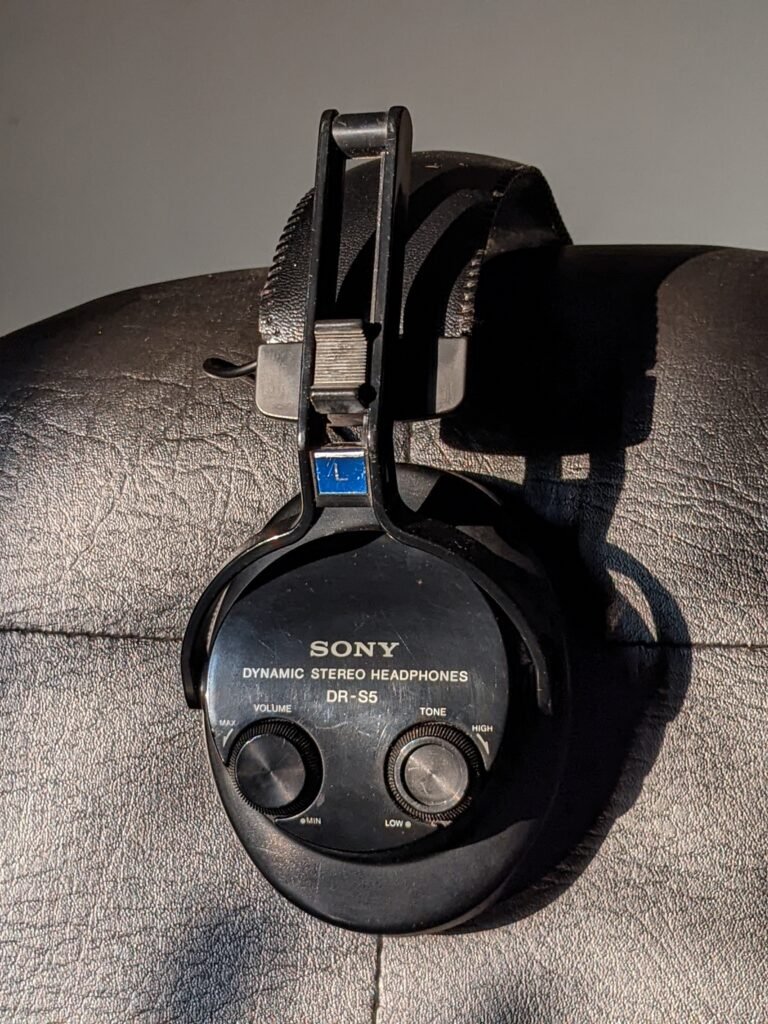
I travel by foot frequently between the twin cities. I do two things that set the tone of my work:
- I note down areas which I find interesting so I can schedule a photo walk for myself.
- Simultaneously I access which song/ soundtrack that specific space/ building/ street/ landscape reminds me of.
I note all these things down and set for a photo walk, where I sometimes put on the songs that go with my theme of photos that I’m taking in that area for the time being.
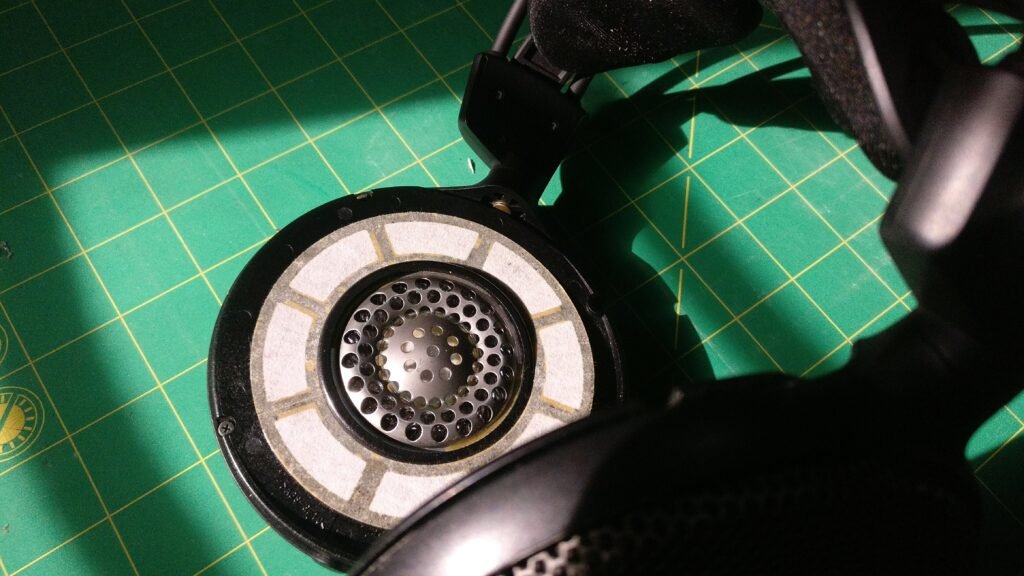
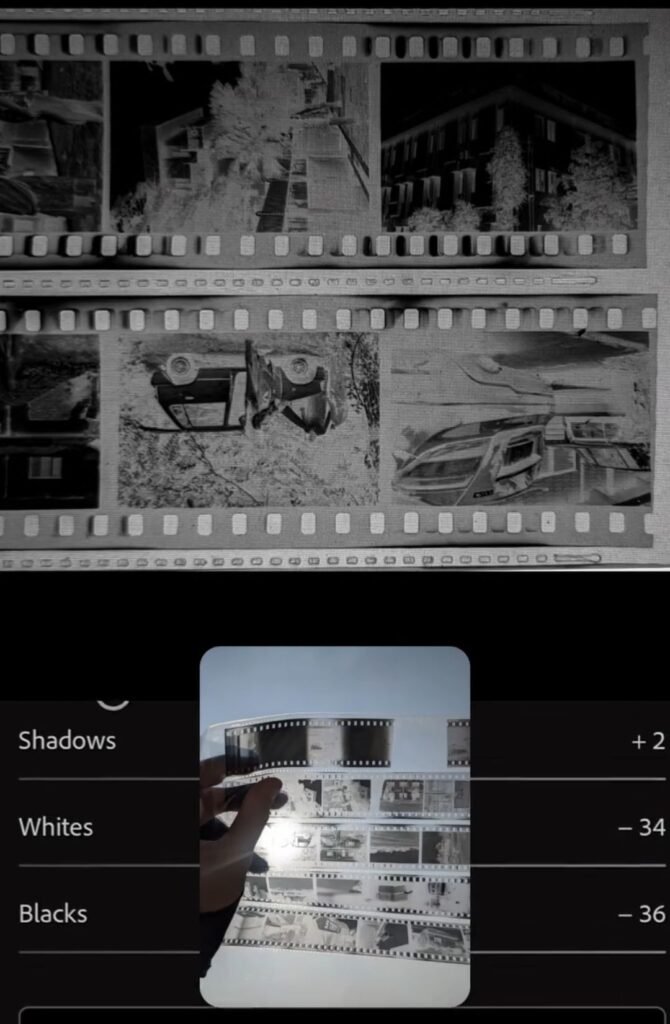
During categorization, editing and color grading of a certain set of works, I put on the song that resonates or showcases the theme/ atmosphere of the work best. It helps me set the tone of the photos at their best.
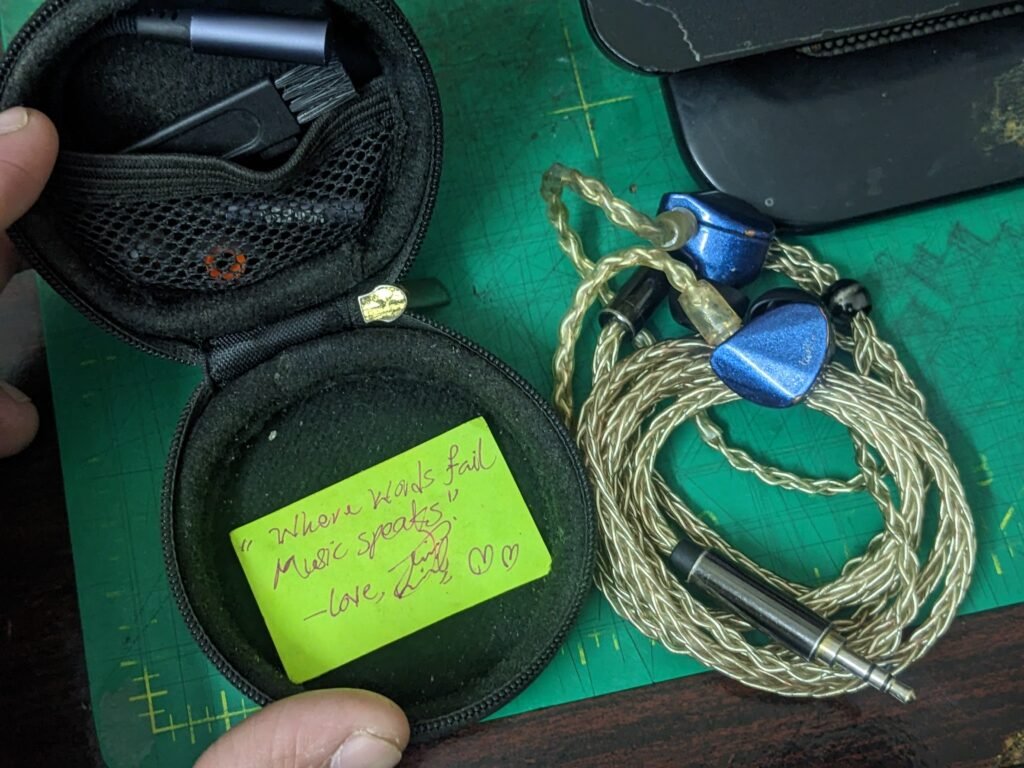
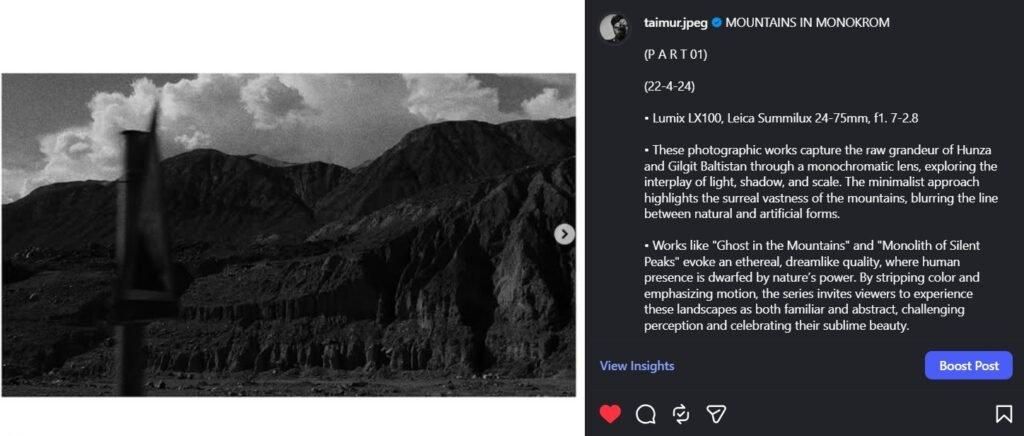
My works are posted in carousel, to convey and emphasize the theme I aim for. I refrain from posting a single photograph at a time, but I make sure that the opening photograph represents the theme at its best.
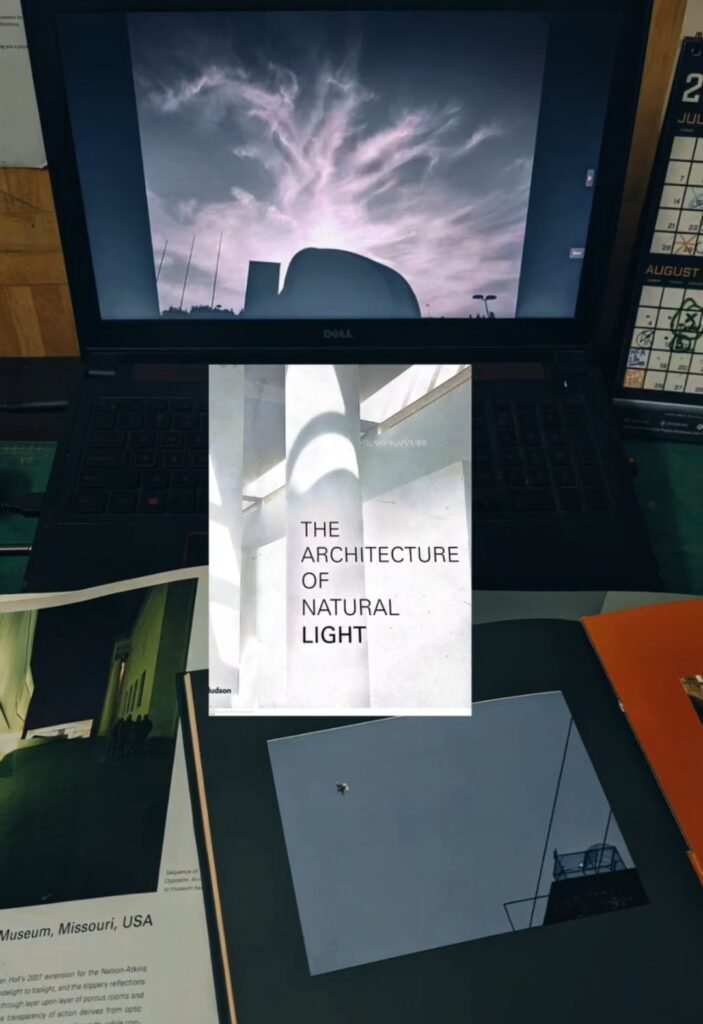
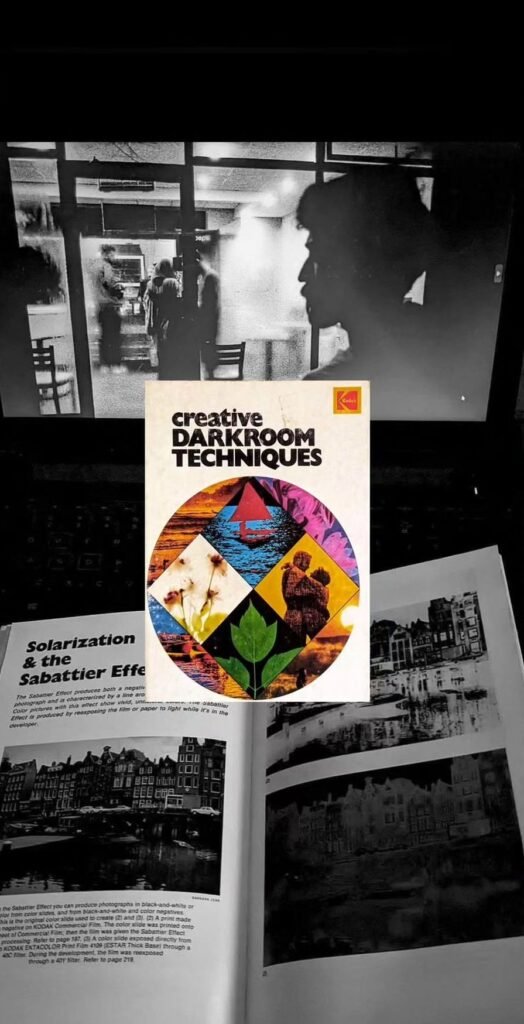
Research: To understand, appreciate and understand the progress of the photographic process and art form, it is mandatory to do historic research. As an artist, I consider it my obligation.
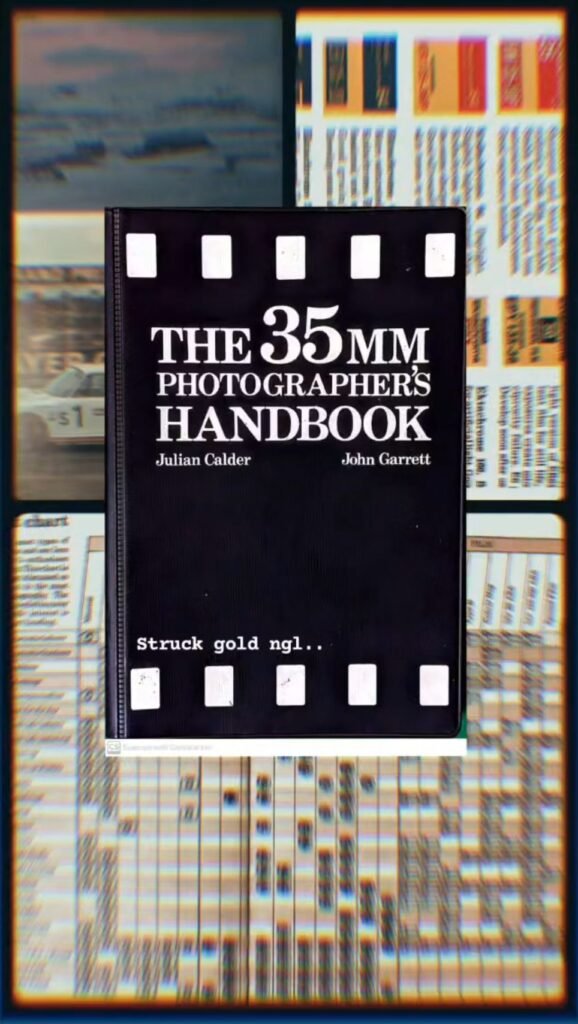
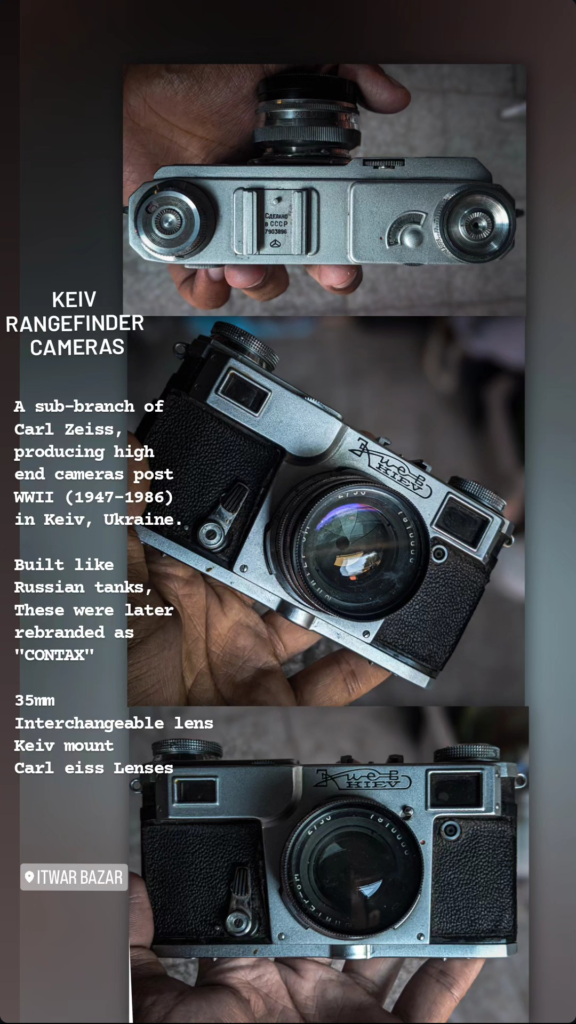
Studying fine arts, architecture, miniature, and photographic history on the regular helps me stay grounded, and appreciate the march of progress as beings of art.
Be it books, documentaries or meddling with cameras or photographic gear, I intend to take notes on a separate catalogue whenever I can. It has greatly helped me align to this medium with an artistic lens, with a painted vision of how I want to showcase my future work as the years go by.